/
US measles cases pass 5,000, the highest in 35 years: 5,182 confirmed, 330 in a week
The US has confirmed 5,182 measles cases in 2026, 330 of them this week, the 13th straight week with a triple-digit rise, the CDC reports. That is more than twice 2025's total of 2,289 and the most in 35 years. Most are unvaccinated; 11% were hospitalised.
A
4 min
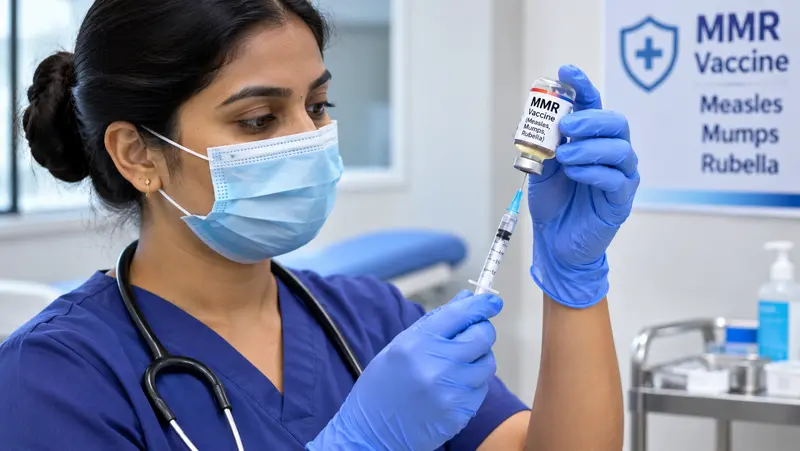
The United States has confirmed 5,182 measles cases in 2026, according to figures from the Centers for Disease Control and Prevention, including 330 new cases this week. It is the 13th week in a row with a rise of more than 100 cases, and the highest annual count in 35 years. The full-year total for 2025 was 2,289. The agency's page was last updated on 6 November with data as of 5 November. This article is for information only and is not medical advice.
The national picture
Of the cases, 59% are in children and teenagers. The great majority are in people who were unvaccinated or whose status is unknown: the CDC's figure for this group is around 93%, and one count puts it at 96%. About 11% of patients have been hospitalised. The agency has confirmed four deaths this year, while state counts are higher: Pennsylvania has reported six measles deaths in 2026, and a New York child and a Wisconsin infant died this week, the first measles deaths in those states since the 1990s. A related report puts the number of deaths in the country at eight or more. The federal and state counts differ, and the gap has become a point of dispute between the Pennsylvania government and the US Department of Health and Human Services.
Five states have reported no cases in 2026: Arkansas, Hawaii, Mississippi, Nevada and New Hampshire. Independent trackers show higher totals, with the Johns Hopkins tracker at 5,400 as of 6 November.
Where the outbreaks are
Several state outbreaks account for much of the total.
| State | Cases | Note |
|---|---|---|
| Pennsylvania | 1,487 | 61 new this week; officials think it may be slowing |
| Wisconsin | 477 (state count) | 85 new; over 99% unvaccinated; most in one south-west outbreak |
| Ohio | 311 | Mostly in north-eastern counties |
| New York | 210 | 32 new |
| Kentucky | 204 | All but two unvaccinated or unknown |
| Minnesota | 139 | 59 new; most in Todd County |
| Indiana | 134 | 31 in LaGrange County |
Wisconsin's state count is above the CDC's figure of 419, and Indiana's is 29 higher than the CDC's. Pennsylvania's CDC total is lower than the state's own number. Counts differ because states report faster than the federal system, which confirms cases before adding them.

Elimination status and what protects people
The United States has held measles elimination status since 2000, meaning the disease was no longer constantly present. It is expected to lose it. A commission of the Pan American Health Organization meets next week to consider the matter, and sources say the outcome is largely symbolic, since the cases themselves are what drive risk. The infectious disease specialist Paul Offit believes measles is now endemic in the country.
Two doses of the measles, mumps and rubella vaccine are 97% effective against measles. The disease is highly contagious, and communities need very high vaccination coverage to stop its spread, which is why outbreaks concentrate where coverage is low. For parents, the practical advice from health agencies is to check that children have had both doses, to call ahead before visiting a clinic if a child has symptoms, and to treat a fever with a rash as a reason to seek care. Nothing in the reports indicates when the weekly rise will fall below 100, but officials in Pennsylvania see signs of slowing there while Wisconsin, Minnesota, Ohio and Indiana continue to grow.
Measles spreads through the air, and an infected person can pass it on for about four days before the rash appears and for four days after. Roughly nine in ten unvaccinated people who share space with an infected person catch it. The first signs are fever, cough, a runny nose and red eyes, followed by a rash. Complications include ear infections, pneumonia and, more rarely, swelling of the brain, and health agencies estimate that one to three of every 1,000 children who catch measles die. The vaccine is given in two doses, the first at 12 to 15 months and the second at four to six years. Adults who are unsure whether they were vaccinated can ask a doctor about a blood test or a dose, and anyone planning international travel is advised to check their protection. The reason the count matters beyond the number is that the cases are clustered in communities with low coverage, so national averages can hide local risk.
People who think they have been exposed and are not protected have a short window to act. The CDC advises that a dose of the vaccine given within 72 hours of exposure can reduce the chance of illness, and that immune globulin given within six days may help people who cannot be vaccinated, such as infants and those with weak immune systems. Anyone who develops symptoms is advised to call ahead before going to a clinic so that staff can keep them away from other patients in the waiting room.
Sources
About the Author
A
Amita Sahani
Staff Writer
Amita Sahani writes for Wirony. Every story under this byline is reviewed and approved by an editor before it is published, and corrections are made openly.
A
4 min
What did you think?