/
Rubio and Jaishankar end Mumbai talks 'about as close as you can be' to a trade deal, but nothing is signed
After talks in Mumbai the US Secretary of State said only a small number of items remain in the trade deal. The UAE's foreign minister joined a three-way session on energy security. No agreement was announced, and Rubio moves on to Jamnagar on Wednesday.
R
4 min
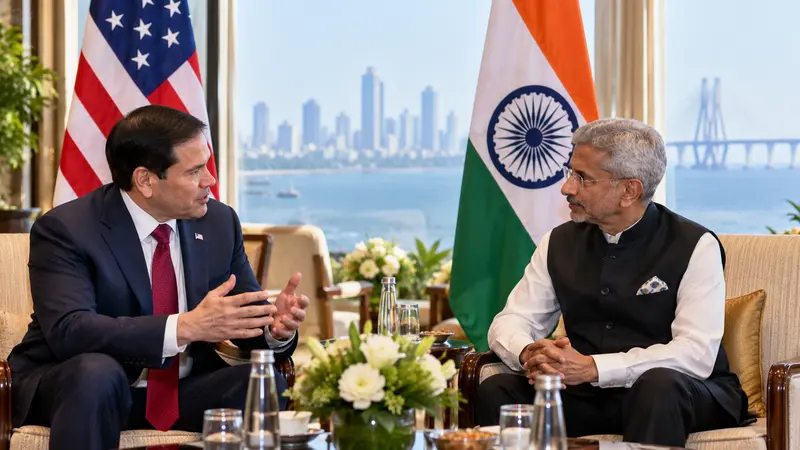
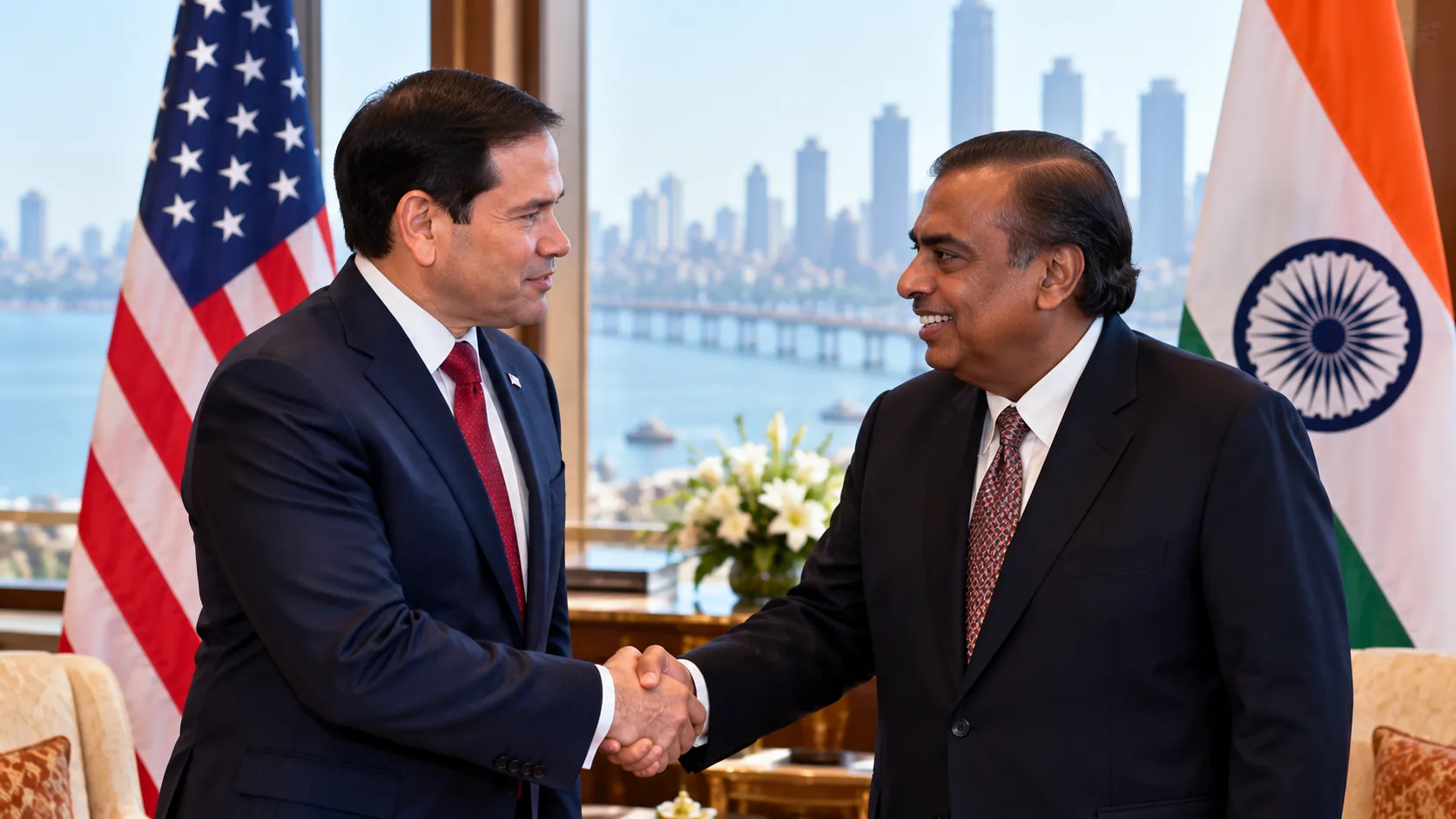
US Secretary of State Marco Rubio and External Affairs Minister S. Jaishankar ended their talks in Mumbai on Tuesday, 20 October, without announcing a trade agreement, though both sides say the text is nearly done.
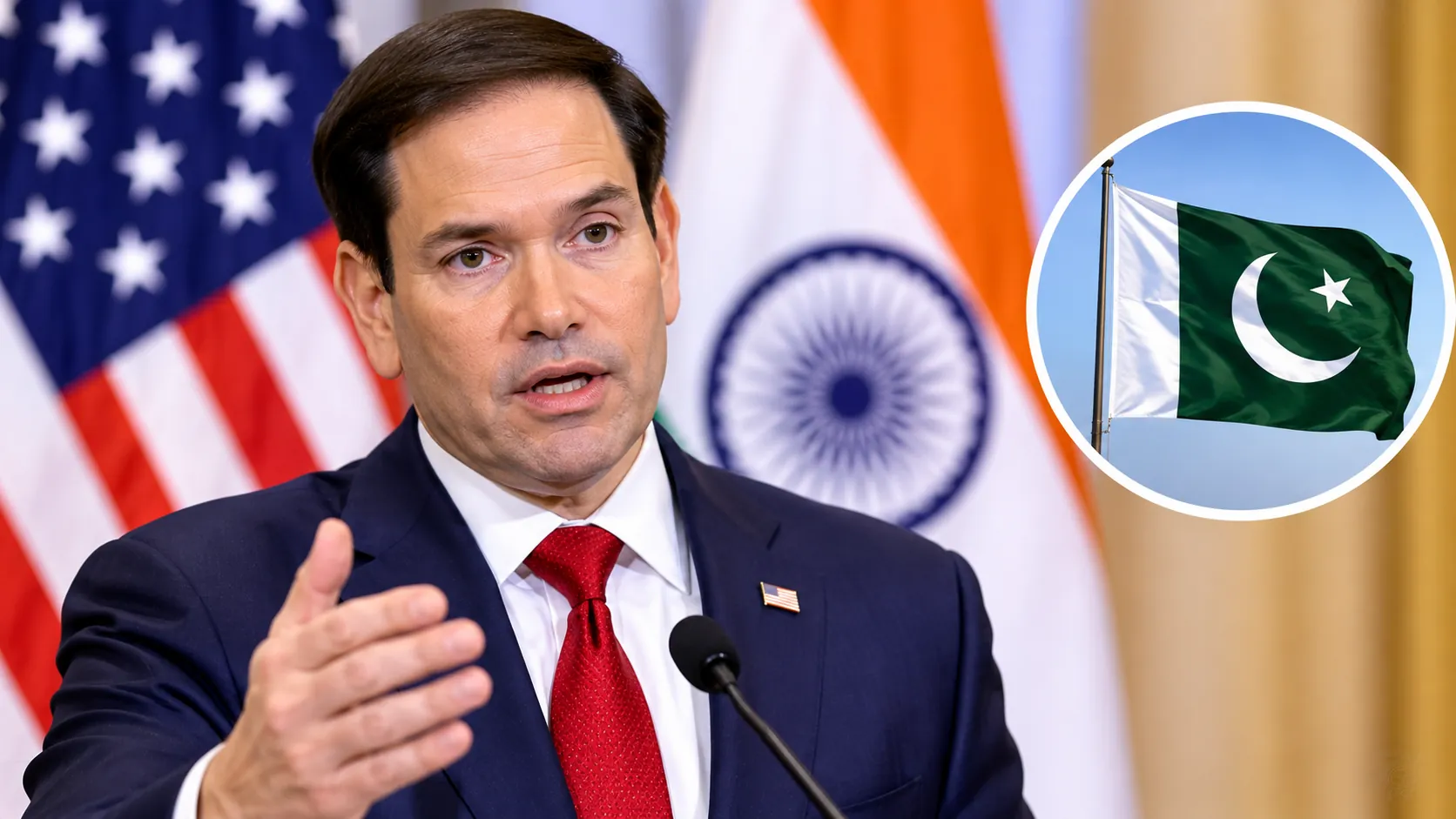
"We're very, very close," Rubio said. "I would say we're about as close as you can be without having executed the agreement." He put what remains at a small number of items that he expected to be wrapped up soon. He did not say which items they are, or how soon.
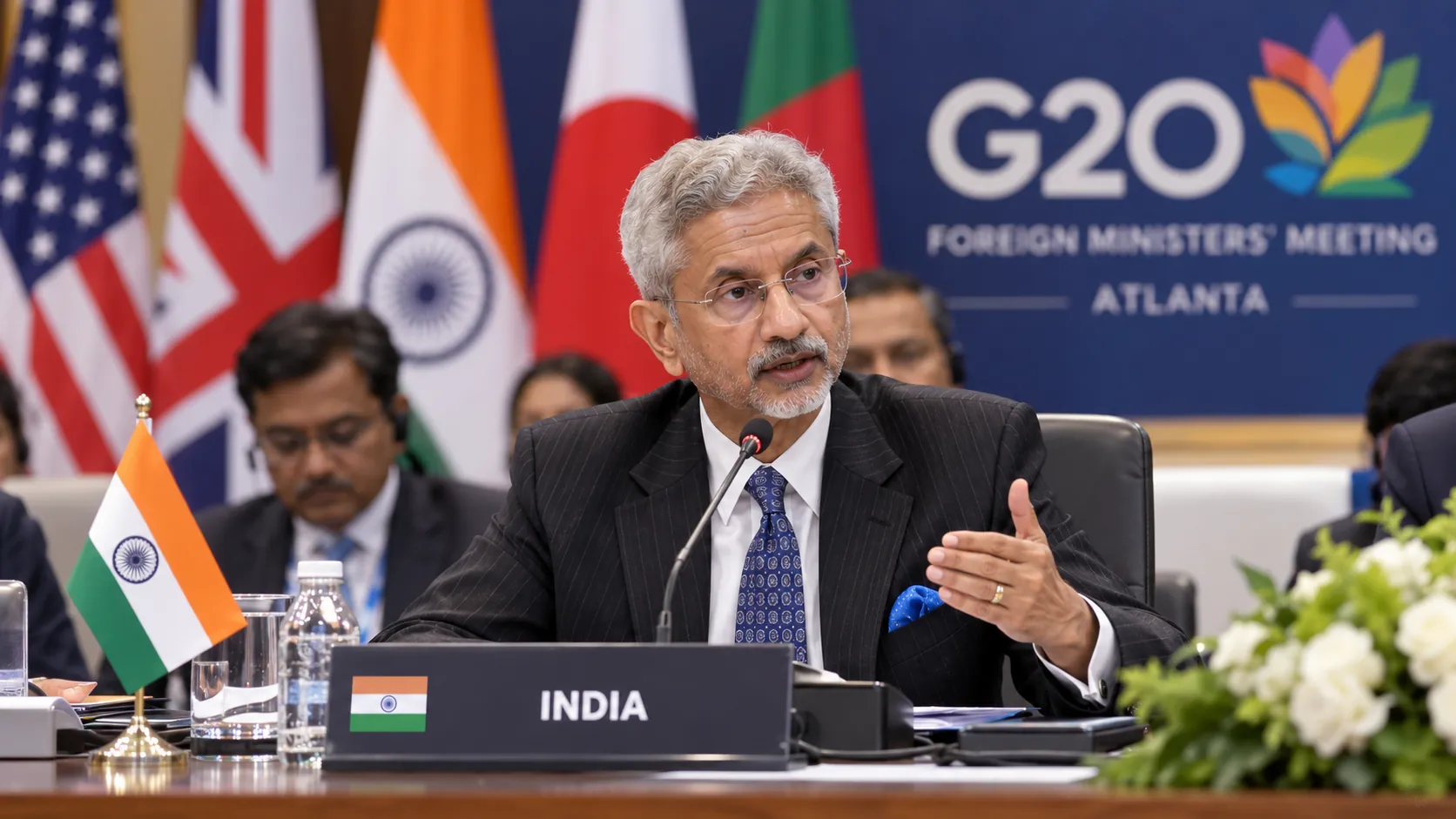
Jaishankar's account was wider. The two ministers, he said, discussed ways to strengthen ties in trade, energy, technology and defence, along with regional developments. The foreign ministry had named the same four subjects before the meeting. A third minister joined for part of the day: Sheikh Abdullah bin Zayed Al Nahyan, the UAE's foreign minister, who was also visiting India, sat down with the other two for a session that Rubio said covered regional energy security and shared economic priorities.
Why Mumbai, and not Delhi
Rubio flew in from Samarkand, Uzbekistan, where he had met five Central Asian states at a C5+1 summit, and he did not go to New Delhi at all. No official reason has been given. The State Department framed the trip around energy and investment, and Jamnagar, where he goes next, is one of the world's major energy hubs. It is his second India trip in six months: in May he was in Delhi for a meeting of the Quad foreign ministers, which brings together the United States, India, Japan and Australia.
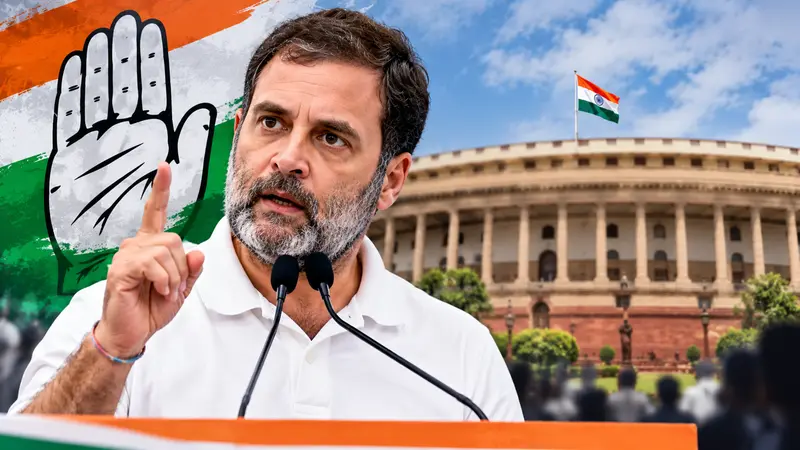
The route became a political row before it began. US Ambassador Sergio Gor said at a forum in Delhi last Thursday that Rubio would meet Indian officials in Mumbai and that Washington "expected" Jaishankar and others to travel there. Congress general secretary Jairam Ramesh called that statement "quite extraordinary". Rahul Gandhi, the opposition leader in the Lok Sabha, wrote that Rubio had "summoned his employee to Mumbai". Congress MP Pawan Khera called it a "new low". The government had said only that it would announce the trip "at the appropriate time".
Tariffs, oil and the items left
The deal's history explains the caution. In August 2025, after an earlier round of talks collapsed, Washington put tariffs of up to 50% on most Indian goods. A framework agreed in February cut the rate to 18%, but talks have since stalled. Finance Minister Nirmala Sitharaman said earlier this month that they had "plateaued". Commerce Minister Piyush Goyal said last week that the first tranche was in its final stages, and India says its final rate should be similar to that of competing manufacturers such as Vietnam. Goyal added that India would not sign until its exporters had an edge over rivals Bangladesh, Vietnam and Indonesia.
Russian crude remains the irritant. India has bought discounted Russian oil since the war in Ukraine began in February 2022, which has at times strained ties with Washington. Before leaving for Asia, Rubio said India had diversified its energy sources but still takes substantial Russian supplies, because "it's hard to pivot from one day to the next." India says it will expand imports, including from the United States, while widening its list of suppliers. Last month President Donald Trump signed a law that allows tariffs of up to 100% on the five largest buyers of Russian oil or gas. On Friday he signed an executive order seeking to waive those penalties as he tries to ease oil prices before the 3 November US elections.
Other frictions sit around the table. Last week the US Labor Secretary suspended eight companies, including Infosys, Tata Consultancy Services, Wipro and HCL, from a labour certification scheme used by employers seeking green cards for foreign staff. Even so, defence and technology cooperation has deepened. Sameer Lalwani of the Carnegie Endowment notes that bilateral trade grew almost 12% in 2025 to nearly $240 billion, and Washington sees India as a counterweight to China in the Indo-Pacific.
On Wednesday Rubio moves on to Jamnagar in Gujarat, home of what is described as the world's largest single-site refinery, run by Reliance Industries. He is due to meet business leaders and attend a reception hosted by the Ambani family. Reliance is investing in a refinery in Brownsville, Texas, a project Trump announced in March and put at $300 billion. No agreement or joint statement was announced on Tuesday, and no signing date has been given.
R
4 min
What did you think?