/
Iran's Mojtaba Khamenei says 'neither war nor peace' must end on Iran's conditions; Vance letter tests talks
Iran's Supreme Leader Mojtaba Khamenei called for an end to 'neither war nor peace' and said Iran's conditions must be met. President Pezeshkian said the government would pursue it. A US newspaper reported that Vice President Vance sent a letter to Mohsen Rezaei, at Trump's direction, to test talks.
R
4 min
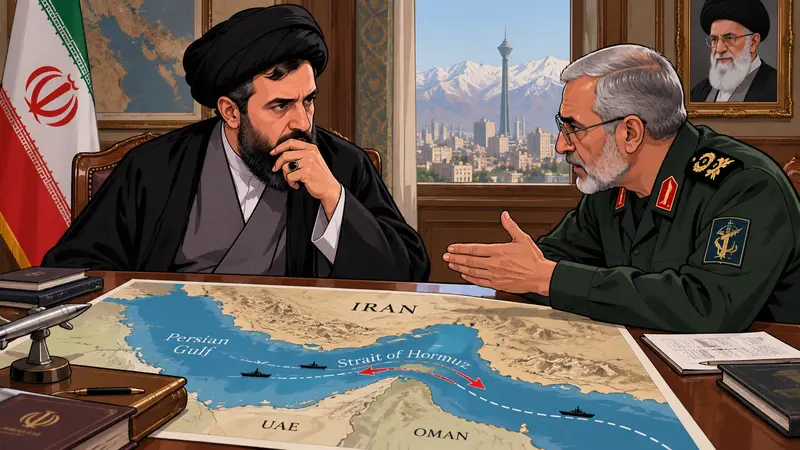
Iran's Supreme Leader, Ayatollah Mojtaba Khamenei, has called for an end to the present state of "neither war nor peace" and said that the conditions set by Iran's officials for ending the war must be met. The statement was issued on Tuesday, 27 October, through his office. President Masoud Pezeshkian told his cabinet on Wednesday that the government would pursue the directive. The statement comes while the United States is weighing whether to resume strikes and has also made a diplomatic approach.
What he said
The phrase describes the situation since the war began on 28 February, when the United States and Israel launched strikes on Iran. His predecessor, Ali Khamenei, had used the phrase earlier, on 8 September 2025, to describe a condition he called dangerous for the country. According to the statement, Mojtaba Khamenei said that Iran must pursue the rights and interests of the Iranian nation and of what it calls the Resistance Front, by ensuring that the conditions set by the country's officials for ending the war are met, and by bringing the present situation of neither war nor peace to an end.
One report says he made the statement in a meeting with Iran's security chief. Another account, drawn from secondary sources, lists the conditions as an end to the American naval blockade of Iranian ports, the lifting of US sanctions on Iranian oil exports and Iran exercising management over the Strait of Hormuz. The official statement as reported does not itself list these terms, and they should be treated as a single-source description.
The government's response
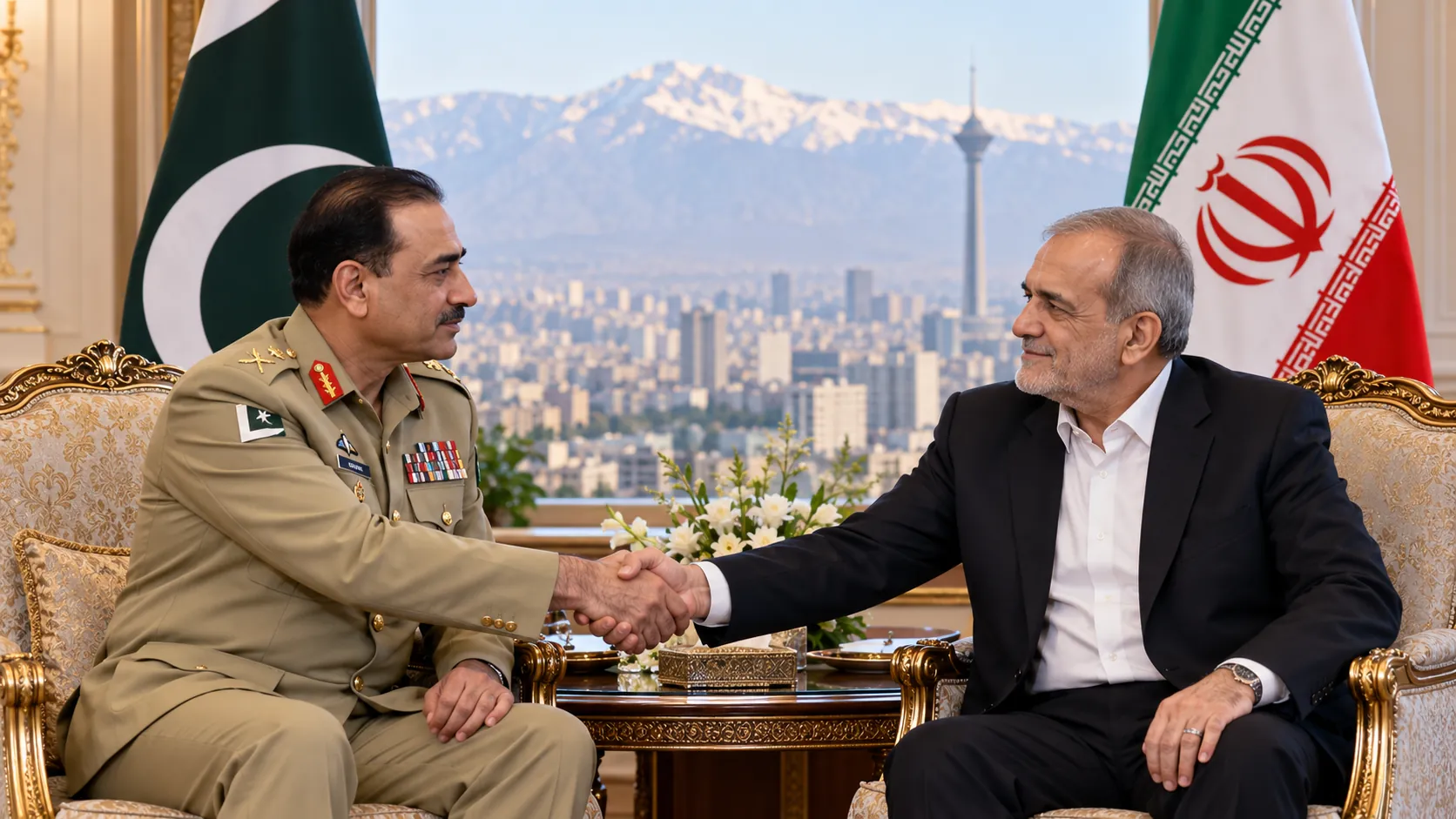
President Pezeshkian called the directive important and told the cabinet that his government would pursue it earnestly and with all its capacity. He told ministers to stay fully ready, to raise productivity and to build national power, and said that enemies should not think they can weaken the will of the Iranian nation. At the cabinet meeting, Foreign Minister Abbas Araghchi briefed ministers on recent visits by a Qatari delegation and by the Pakistani Army Chief.
The United States is considering whether to resume strikes, but direct American action appears to be on hold, according to one report. At the same time, a US newspaper reported that Vice President JD Vance sent a letter to Mohsen Rezaei, a former commander of the Revolutionary Guards who is now a secretary of Iran's Supreme National Security Council, to test whether Washington and Tehran can build a framework for negotiations. A source cited by the newspaper said that President Donald Trump directed the letter and is fully briefed on it.
The US midterm elections are on 3 November. Trump has said that new strikes are an option after the vote, and the Pentagon estimates that the war has cost American taxpayers about 47.1 billion dollars.
| Date | Development |
|---|---|
| 28 February | US and Israel strike Iran; the war begins |
| 27 October | Khamenei calls for an end to neither war nor peace |
| 28 October | Pezeshkian tells the cabinet the government will pursue the directive |
| 3 November | US midterm elections |
The war has disrupted shipping through the Strait of Hormuz, and attacks by the Houthis on Saudi Arabia have raised oil prices, with Brent crude above 115 dollars on Wednesday before easing to about 110 dollars on Thursday on talk of diplomacy. The Ministry of External Affairs said on Wednesday that 22 Indians, 14 of them seafarers, have been killed in the conflict. India has called for a solution through dialogue and diplomacy, and any move towards talks between Washington and Tehran would be followed closely in New Delhi.
The visits to Tehran by a Qatari delegation and by Pakistan's Army Chief, which Araghchi described to the cabinet, point to regional intermediaries, though the reports do not say what messages they carried. The statement from Khamenei did not set out how Iran would judge that its conditions had been met.
It is not clear what concessions either side would accept, or whether the letter from Vance has had a reply. The statement from Tehran sets conditions, which the United States has not agreed to. The reports about the letter and the conditions come from a newspaper's sources and from secondary accounts, and neither government has confirmed the full details.
R
4 min
What did you think?