/
Tamil Nadu revises auto fares after 13 years: minimum Rs 50 for 1.8 km, Rs 25 per extra km, waiting Re 1/min
Tamil Nadu has revised auto-rickshaw fares for the first time since August 2013, notifying a minimum of Rs 50 for the first 1.8 km, up from Rs 25, and Rs 25 for each extra kilometre, up from Rs 12. Waiting is charged at Rs 1 a minute, and the night fare is 1.5 times the normal rate.
R
4 min
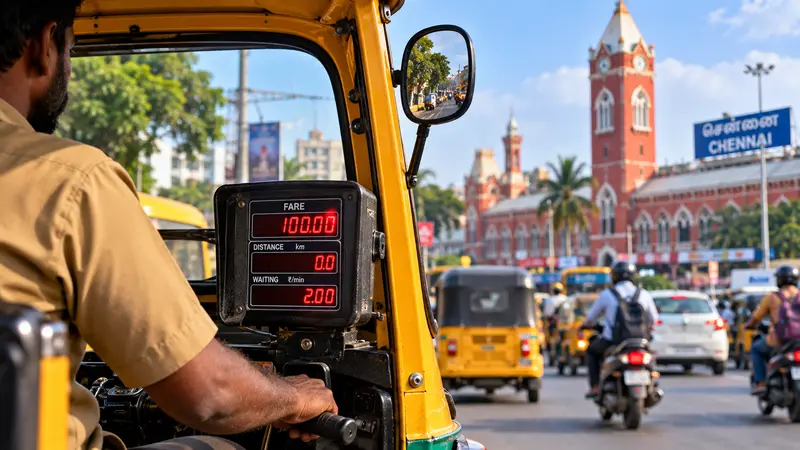
The Tamil Nadu government has revised auto-rickshaw fares across the state for the first time in 13 years. The revised fare structure was notified in the Gazette on Tuesday, 27 October, and it raises the minimum fare to Rs 50 for the first 1.8 km, from Rs 25. Each additional kilometre will cost Rs 25, up from Rs 12, and waiting time is charged at Rs 1 a minute. The new rates apply to contract carriage autos in the Chennai Metropolitan Area and in other parts of the state.
The new rates
| Item | Earlier | Revised |
|---|---|---|
| Minimum fare, first 1.8 km | Rs 25 | Rs 50 |
| Each extra kilometre | Rs 12 | Rs 25 |
| Waiting charge | Rs 3.50 for every 5 minutes | Rs 1 a minute |
| Night fare | 50% extra, 11 pm to 5 am | 1.5 times the fare, 10 pm to 5 am |
| Ghat roads, minimum | Separate provision | Rs 60 |
| Ghat roads, each extra km | Not given | Rs 30 |
The earlier structure dates from August 2013. In February 2022 the Madras High Court directed the state to revise the fares in view of rising costs, and the notification now follows that direction. The State Transport Authority and the regional transport authorities are responsible for implementing it. The reports do not give a date from which the new rates take effect beyond the notification itself.
What common trips will cost
On the revised scale, the fare for a trip is Rs 50 for the first 1.8 km plus Rs 25 for each further kilometre. The figures below are for the fare alone, and do not include waiting, night or ghat road charges.
| Distance | Earlier fare | New fare |
|---|---|---|
| 1.8 km | Rs 25 | Rs 50 |
| 3 km | Rs 39.40 | Rs 80 |
| 3.8 km | not given | Rs 100 |
| 5 km | Rs 63.40 | Rs 130 |
| 10 km | Rs 123.40 | Rs 255 |
The minimum fare has doubled, and the rate per kilometre beyond the minimum is about 108 per cent higher. On the 10 km trip the fare is a little more than twice the earlier one. The waiting charge works out to about 43 per cent more per minute than before, from 70 paise to Re 1. Waiting time is to be recorded on the meter.
Why the revision
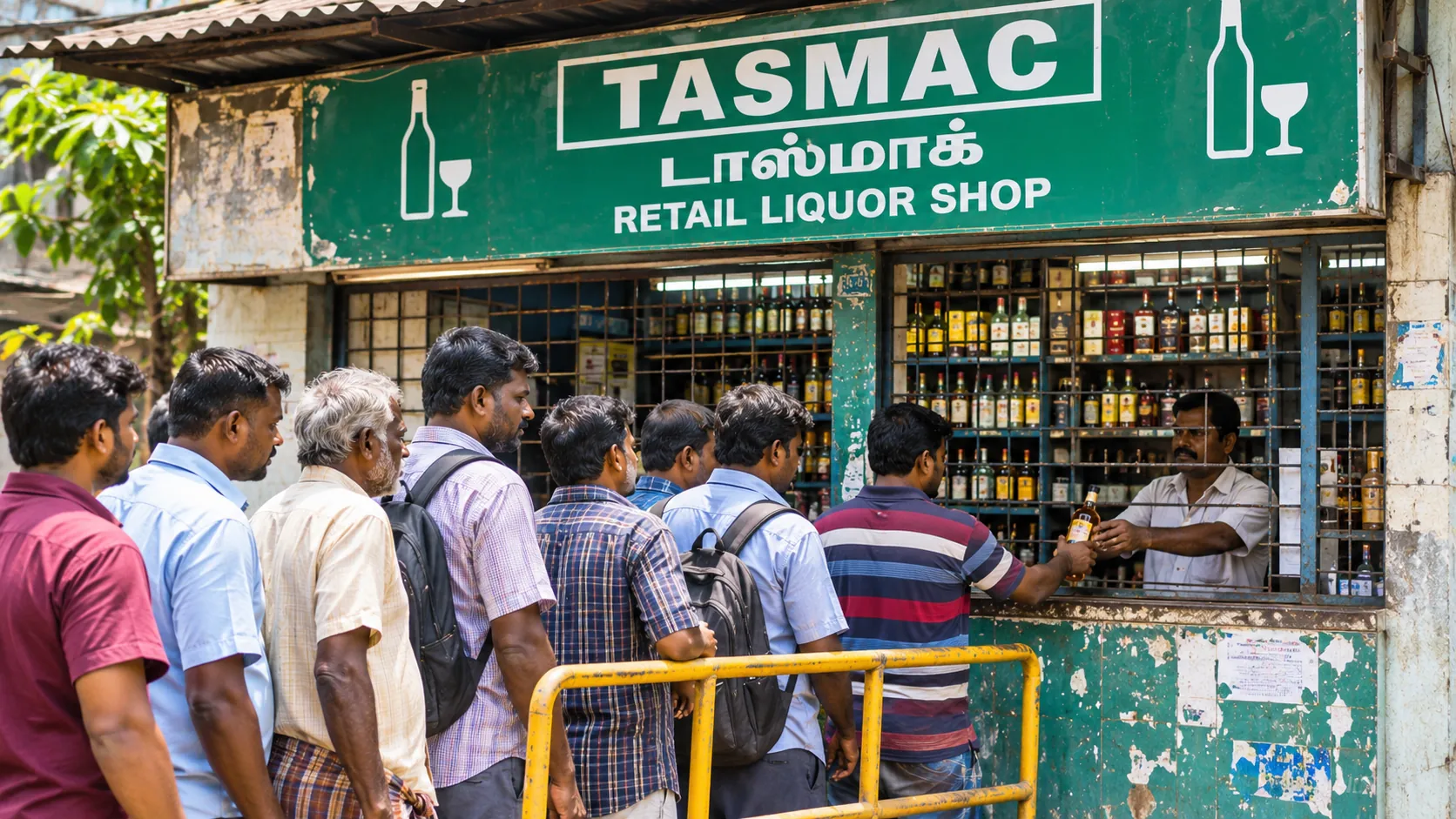
Drivers' organisations had asked for a higher minimum fare and a higher rate per kilometre, pointing to the cost of fuel, insurance, maintenance and spare parts. They also said that they face competition from app-based aggregators and bike taxis. Consumer representatives argued that short trips should not become so expensive that people stop using autos.
Thirteen years is a long time for a fare to stay unchanged, and the cost of running an auto over that period has risen. A fare that is set by the government and does not change leaves drivers with falling earnings as costs rise, and a revised, clearly published fare is easier for passengers to check against the meter.
At night the fare is 1.5 times the normal rate. On the figures above, a 5 km trip that costs Rs 130 by day would cost Rs 195 between 10 pm and 5 am, and a 10 km trip that costs Rs 255 would cost about Rs 382. Ghat roads have their own scale, with a minimum of Rs 60 and Rs 30 for each additional kilometre, so hill trips will be dearer still. The rise matters most for short trips, where the minimum fare is now double what it was, and for commuters who use autos every day to reach a bus stop or a station.
Passengers should ask the driver to use the meter, and check that it shows the revised rates once the authorities have set the meters. They should know the night period, which now begins at 10 pm, an hour earlier than before. The reports do not say whether the new fares apply to app-based services or to bike taxis, which are mentioned only as competitors, so fares on those platforms may continue to follow their own pricing.
The reports do not say how long drivers have to update their meters. Until they do, passengers can work out the fare from the table above. A complaint about overcharging can be made to the regional transport office.
R
4 min
What did you think?