/
Delhi logs 15.3°C, its lowest October minimum in three years, as AQI stays 'poor' at 229 under GRAP Stage I
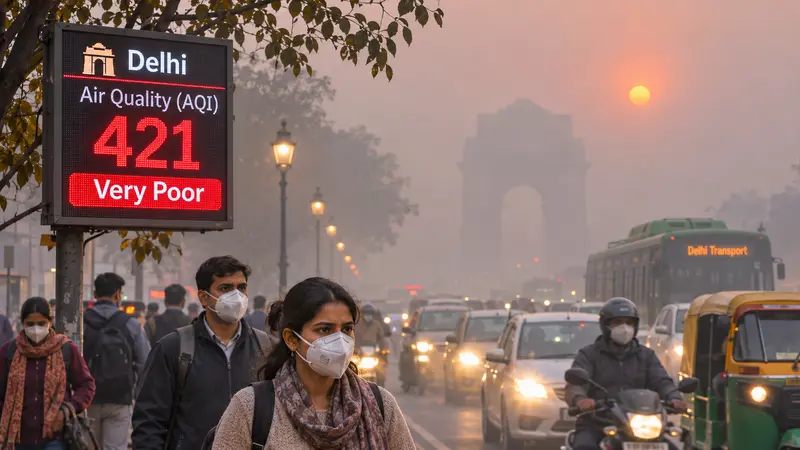
Delhi's Safdarjung recorded 15.3°C on Tuesday, 1.9 degrees below normal and the lowest October minimum in three years. Air quality stayed 'poor' on Thursday morning at an AQI of 229, with three stations above 300, and GRAP Stage I has been in force since 21 October.
S
4 min
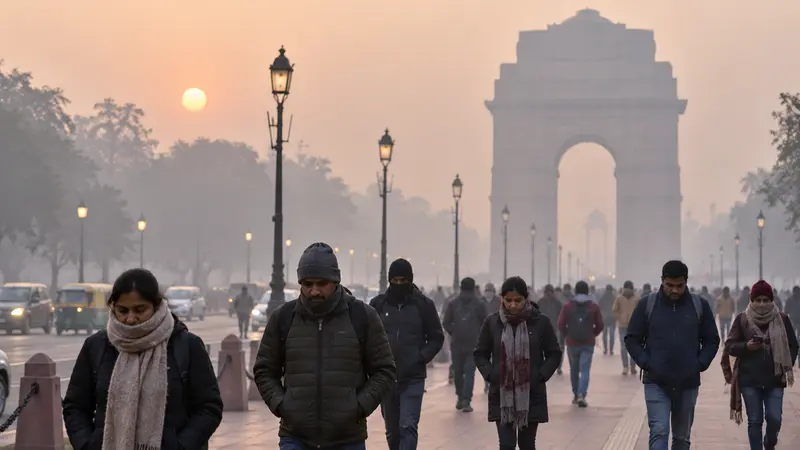
Delhi recorded a minimum temperature of 15.3 degrees Celsius at its Safdarjung observatory on Tuesday, 27 October, which was 1.9 degrees below normal and the lowest October reading in three years. The last time the station recorded a lower October minimum was on 27 October 2023, when it was 15.2 degrees. At the same time, the capital's air has stayed in the poor category, with an air quality index of 229 at 7 am on Thursday, and the first stage of the pollution action plan remains in force.
The cold
Other stations in the city also recorded low minimums on Tuesday.
| Station | Minimum | Departure from normal |
|---|---|---|
| Safdarjung | 15.3°C | 1.9 below |
| Palam | 15.5°C | 2.3 below |
| Lodhi Road | 15.6°C | 0.4 below |
| The Ridge | 16.2°C | 2.3 below |
| Ayanagar | 15.2°C | 2.0 below |
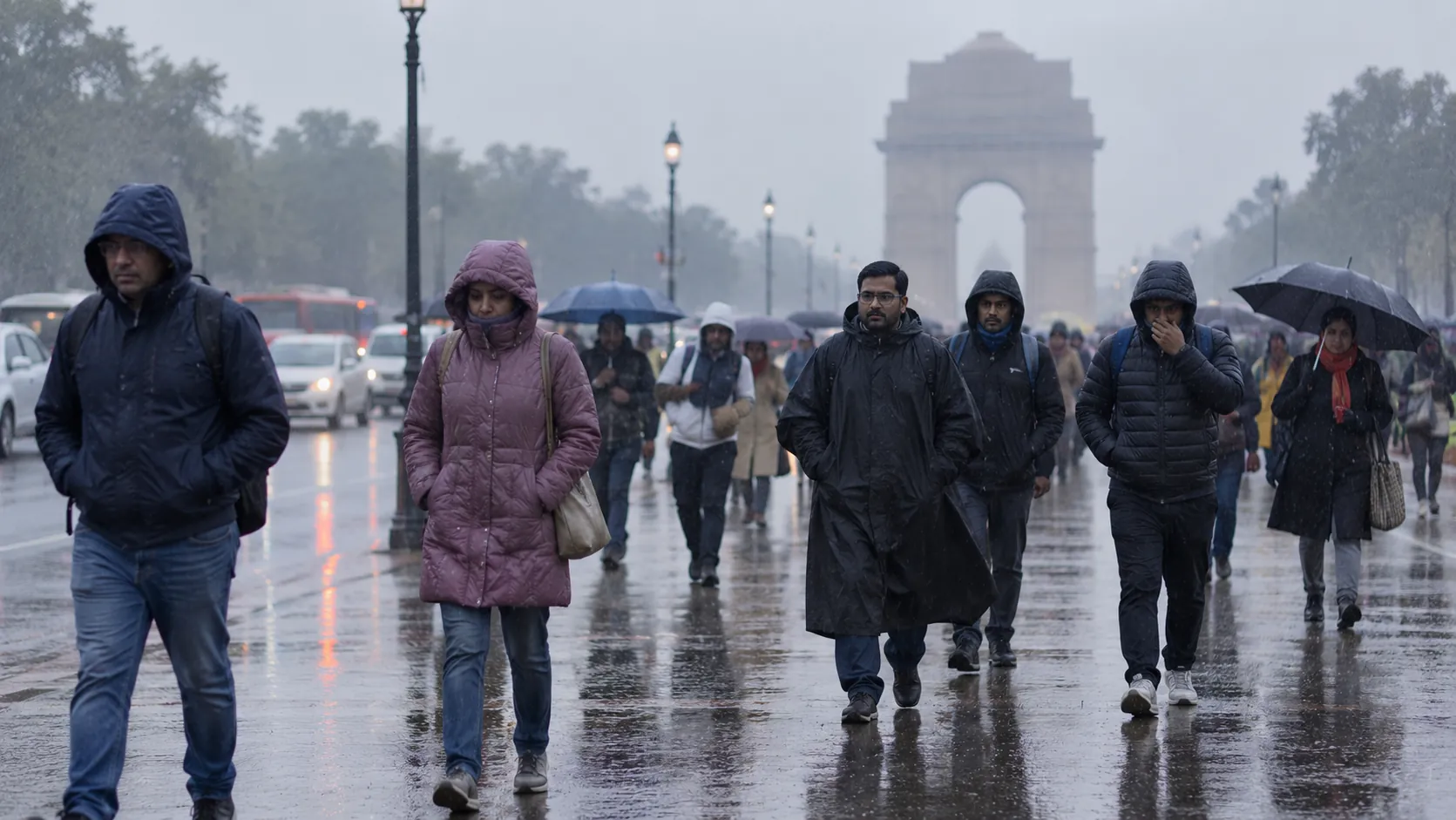
The maximum temperature was expected to settle at about 31 degrees. The cool nights have come with clouds, rain and strong winds from a western disturbance, and the weather office has forecast more thunderstorms on 29 and 30 October, with wind speeds of 50 to 60 km/h and gusts up to 70 km/h, and hail at isolated places in Delhi-NCR.
The air
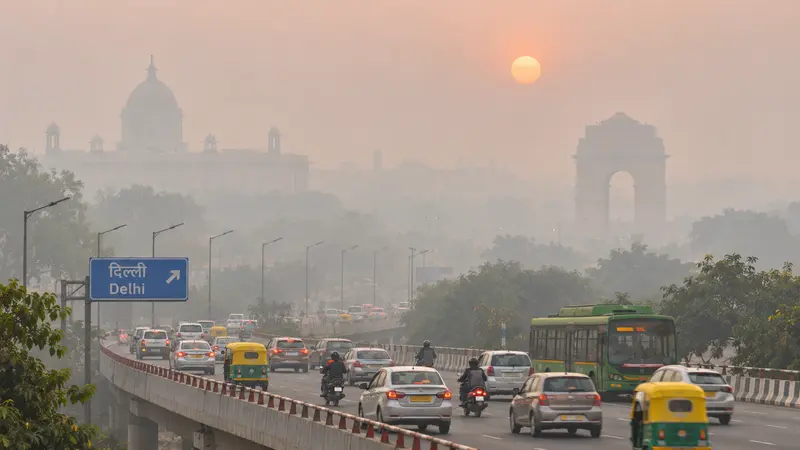
The air quality index was 229 at 7 am on Thursday, 29 October, marginally above the previous day's 228, and in the poor band of 201 to 300. Of the 59 monitoring stations in Delhi, 39 recorded readings above 200. Three stations reported readings above 300, which is the very poor category, and Uttam Nagar was the highest at 339. The air in the wider National Capital Region also worsened.
Delhi's air quality first turned poor this season on 21 October, when the index reached 245, up from 179 on 20 October. The Commission for Air Quality Management invoked the first stage of the Graded Response Action Plan across Delhi-NCR on the same day. That stage covers measures such as road sweeping, sprinkling of water and the control of dust at construction sites. The next stage would be triggered if the air worsens to the very poor category, and the reports do not show that it has been invoked.
The pollution control rules for the winter get tougher from 1 November, when the winter action plan starts across the region. It includes mechanical sweeping of roads, water sprinkling, 100 per cent collection of waste and restrictions on coal-fired tandoors and diesel generators. In Delhi, commercial and private petrol and diesel vehicles that do not meet BS-VI emission standards face restrictions from the same date.
The Supreme Court heard the question of Diwali firecrackers in Delhi-NCR on Thursday and reserved its order, after the court's amicus said that the capital's air quality had dropped sharply around the previous Diwali when limited relaxations were allowed. Diwali is on 8 November.
The air quality index is divided into bands: 0 to 50 is good, 51 to 100 satisfactory, 101 to 200 moderate, 201 to 300 poor, 301 to 400 very poor and 401 to 500 severe. Delhi's index had been 153, in the moderate band, on 25 October after rain, so the 229 on Thursday shows how quickly it can change when the rain stops and the winds drop.
Poor air can irritate the lungs and eyes and can be harmful to children, older people and those with asthma or heart disease. On days with an index above 200, people in these groups should limit time outdoors, especially in the early morning when pollution is trapped near the ground, and should wear a well-fitted mask when they go out. The sudden fall in night temperature also increases colds and coughs, so layers are sensible, particularly for people who travel early.
Rain and wind can disperse pollutants for a day or two, but the weather office's forecast of thunderstorms is for 29 and 30 October only, and the air is expected to remain in the poor range unless the winds stay strong. Cooler nights and lighter winds in November usually make it harder for the air to clear, which is why the winter action plan starts on 1 November. Residents can follow the hourly index on the pollution control board's portal.
S
4 min
What did you think?