/
Bombay HC keeps 'leave India' notice to actor Imran Khan in abeyance till 2 November; no coercive steps
The Bombay High Court on Tuesday kept in abeyance until 2 November the FRRO notice telling actor Imran Khan, a US citizen and OCI cardholder, to leave India by 28 October. The government's law officer orally assured that nothing would be done meanwhile. The petition will be heard on 2 November.
P
4 min
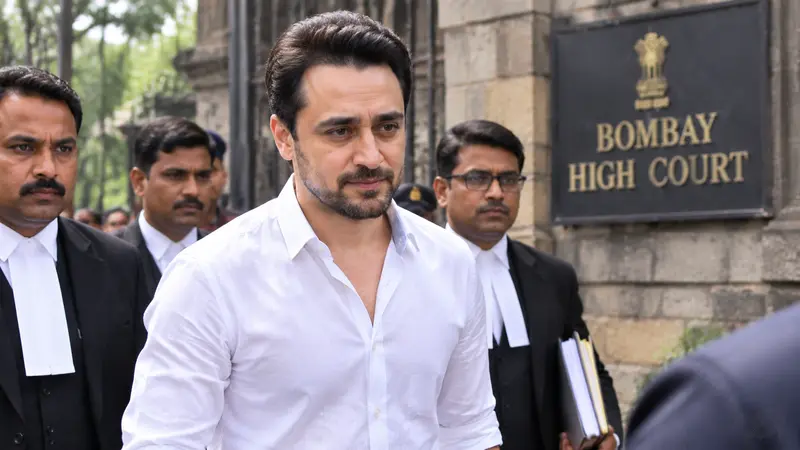
The Bombay High Court on Tuesday, 27 October, kept in abeyance until 2 November a notice that told actor Imran Khan to leave India by 28 October. A bench of Chief Justice Mahesh Chandra Tripathi and Justice Advait Sethna said that the notice shall stay in abeyance until the next hearing, after Additional Solicitor General Anil Singh gave an oral assurance that no coercive steps would be taken in the meantime. Khan's petition will now be heard on 2 November.
What the court did
The matter was listed for Tuesday after both sides had asked for a short adjournment on Monday. Khan's counsel pointed to the deadline of 28 October and asked that no coercive action be taken. Solicitor General Tushar Mehta, who appeared for the Foreigners Regional Registration Office, asked for time. The bench then kept the notice in abeyance until the date of the next hearing, which gives Khan relief for the moment and puts off the question of whether the notice is valid.
The order is an interim one. It does not decide whether the notice was lawful, and the government is free to defend it on 2 November. The assurance given by the Additional Solicitor General means that, for the time being, the authorities will not start any deportation proceedings or take other steps against Khan.
The notice and the law
Khan, who is 43 and a nephew of actor Aamir Khan, is a citizen of the United States and holds an Overseas Citizen of India card. The authorities say the departure order was issued under Sections 7(2)(c) and 29 of the Immigration and Foreigners Act. The first lets the government restrict the presence of a foreigner in India, and the second allows removal for violating the Act or related rules, or after an adverse security report. If Khan had not left by 28 October, deportation proceedings could have begun under Section 29.
He has also received a show-cause notice from the Foreigners Regional Registration Office, which asks why his Overseas Citizen of India status should not be revoked. That is a separate process, and Tuesday's order, as reported, deals with the leave-India notice.
How it began
On 10 October, Khan was briefly detained at a protest at August Kranti Maidan in Mumbai. The protest was in solidarity with demonstrations in Delhi that demand the resignation of Chief Election Commissioner Gyanesh Kumar over the Special Intensive Revision of electoral rolls. The Mumbai authorities then issued the notice. Khan moved the High Court on 17 October.
His petition, filed through advocate Zulfikar Memon, calls the notice illegal, arbitrary, perverse and drastic. He says that he did not take part in any gathering and had no link to the organisers of the protest. He asks the court to quash the notice, to stay its operation while the case is pending and to bar the authorities from taking coercive action. One account of the petition adds that he was given only 14 days to leave the country, without a prior inquiry, a show-cause notice or an opportunity to present his case, though another report of the hearing does not mention that point.
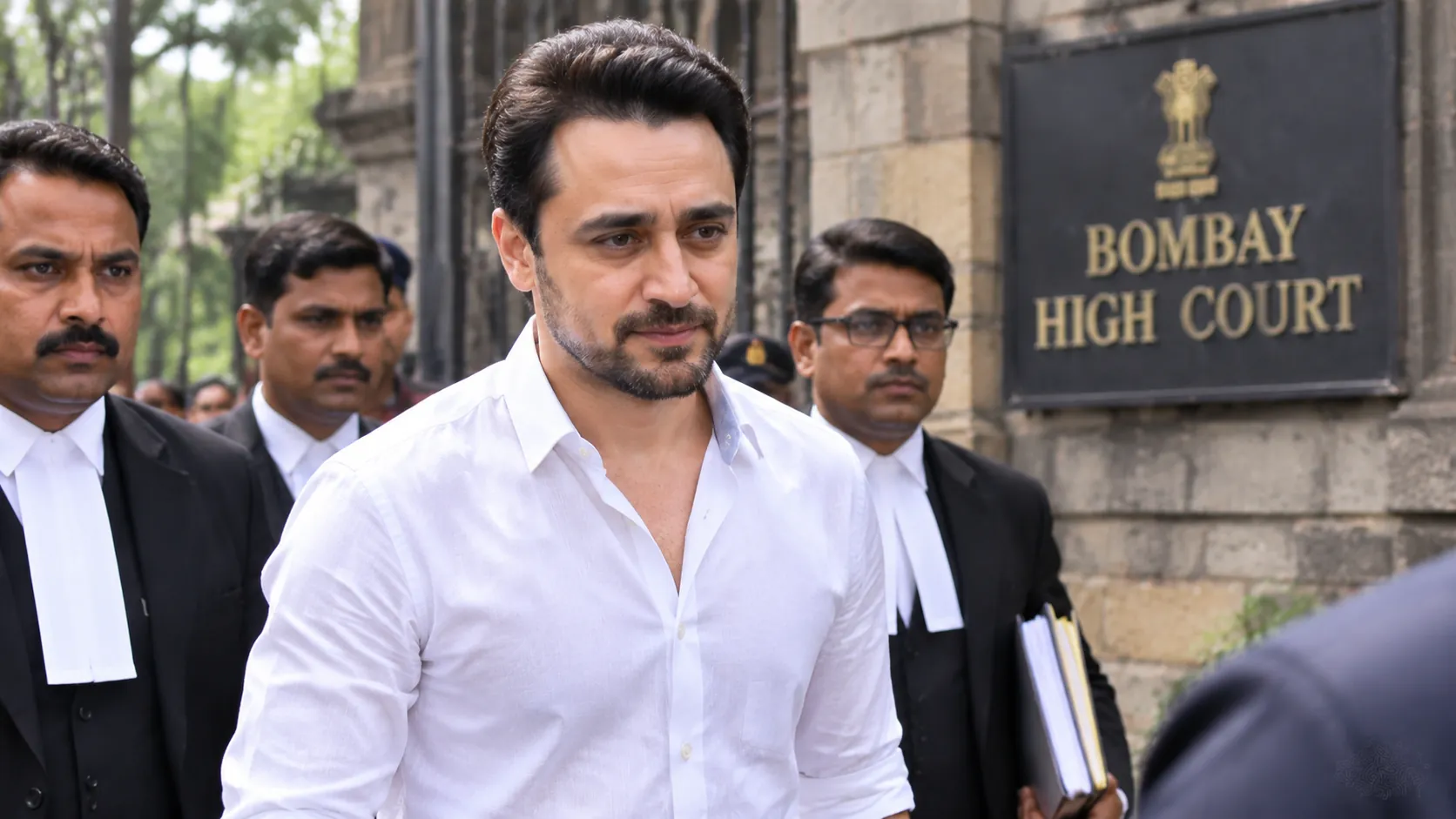
The court will hear the matter on 2 November. The government will have to explain what Khan is said to have done, whether it amounts to a violation of the law for a foreigner, and why he was not given a hearing before the notice was issued. Khan will have to show that the notice was made without application of mind, as he claims.
The case has two parts that could be decided separately. The first is the notice to leave India, which is the one now in abeyance. The second is the move to cancel his Overseas Citizen of India status, which could follow its own course. If the court finds against the government on the first, the second may still go ahead, and the reverse is also possible.
For the film industry and for others who attend protests, the case is being watched as an example of how far the law on foreigners reaches. Overseas Citizens of India have a lifelong right to live and work in the country, but they are not citizens, and the law allows the government to act against them for certain reasons. The question for the court is whether presence at a political protest, if it is established, is one of them.
For Khan, the order gives him at least another week in the country, and the time to prepare a fuller argument. The matter will come back on 2 November.
P
4 min
What did you think?