/
Government amends motor vehicle rules to allow E100 fuel in flex-fuel vehicles; E20 petrol cars unaffected
The road transport ministry has amended the Central Motor Vehicles Rules to recognise E100, nearly pure ethanol, for flex-fuel vehicles, alongside E85. The change, notified on 23 October, clears the way for makers to launch such vehicles. Ordinary petrol cars and E20 cars should not use E100.
A
4 min
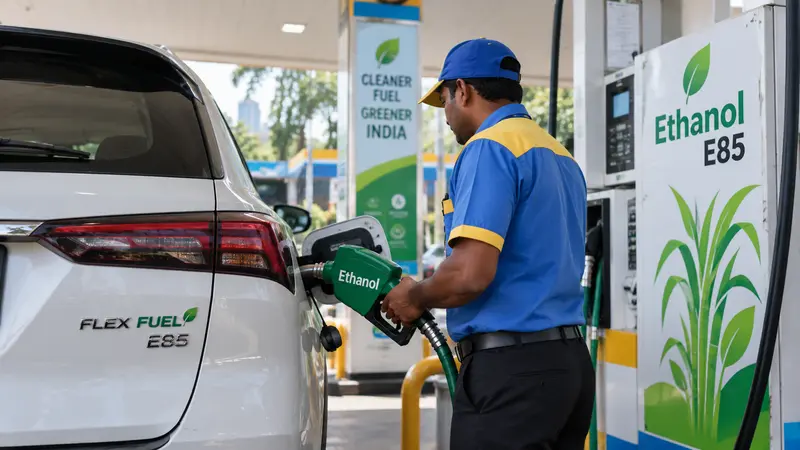
The Ministry of Road Transport and Highways has amended the Central Motor Vehicles Rules, 1989, to add E100, which is nearly pure ethanol, as an approved fuel for flex-fuel vehicles. The amendment was notified on 23 October as G.S.R. 911(E), and one report says that the rules take effect from Monday, 26 October. It puts E100 beside E85, an 85 per cent ethanol blend, in the emission standards, fuel specifications and testing requirements of Rule 115, and it gives vehicle makers the legal basis to build and sell vehicles that run on 100 per cent bio-ethanol.
What the amendment does
The change has several parts, most of them technical.
- E100 is now covered wherever E85 appeared in sub-rules (18), (19), (20) and (22), so those references read E85 or E100.
- An explanatory note says that E85 and E100 are meant only for vehicles that are designed by the manufacturer as flex-fuel vehicles.
- The table headings in Rule 115 now cover E10 and E20 petrol blends, and the parameters for B100 biodiesel are standardised.
- The gross vehicle weight limit in one emission table goes up from 3,000 kg to 3,500 kg.
- Under rule 115E, the documentation tag for E100 vehicles changes from Annexure S to Annexure SA.
The draft of the amendment was published on 27 April 2026, with 30 days for public comments, and the final version was signed by Additional Secretary Mahmood Ahmed.
Which vehicles can use it
The ministry and the reports are clear on one point. E100 is not a fuel for ordinary vehicles. Conventional petrol vehicles and those calibrated for E20, the 20 per cent blend sold at most pumps, are not compatible with E100 because of the different density of the fuel and the risk of corrosion in parts that were not designed for it. Owners of such vehicles do not have to change anything, and the notification does not alter the blends that are sold for them.
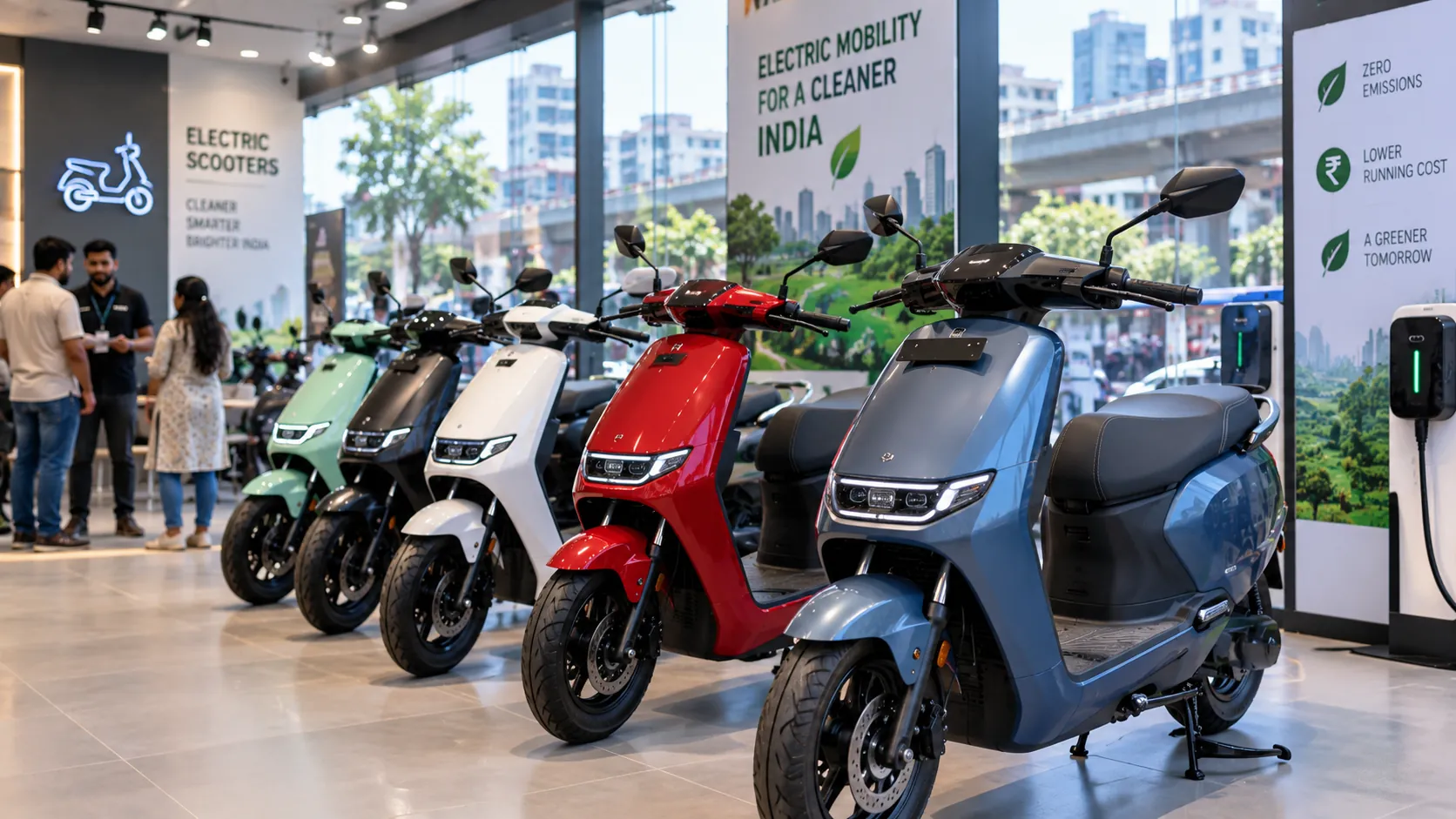
Flex-fuel vehicles are built with fuel systems, injectors and engine settings that can handle a range of blends, and they sense the mix of fuel in the tank. E85 means a blend of 85 per cent ethanol and 15 per cent petrol, while E100 contains no petrol at all, which is why the rules treat the two together but keep them apart from the E10 and E20 blends sold at ordinary pumps. They are common in Brazil, where ethanol from sugar cane has been sold at the pump for decades.
India meets about 88 per cent of its crude oil needs through imports, according to one report, and ethanol made at home from sugar cane, grain and other crops reduces that bill. India has reached its target of 20 per cent ethanol blending in petrol nationwide, ahead of the 2030 timeline. The country's ethanol capacity is nearly 20 billion litres, and the oil marketing companies have tendered for more than 11 billion litres a year to sustain the 20 per cent mandate.
Higher use of ethanol is also linked to lower tailpipe emissions and to lower spending of foreign exchange. With crude at about $115 a barrel, which is a six-month high, the argument for replacing imported fuel with a domestic one is stronger than it was a year ago.
The rule change is a first step. Car and two-wheeler makers that are preparing flex-fuel commercial and passenger models are expected to launch compatible vehicles in the coming months, but the reports give no models, dates or prices. Fuel retailers will also have to decide where to sell E100, since a pump has to have a separate tank and dispenser for it, and a vehicle is of little use if the fuel is hard to find.
The questions that will decide whether the fuel catches on are practical ones. What will E100 cost at the pump compared with petrol? How far will a vehicle go on a litre, since ethanol has less energy per litre than petrol? And will there be enough supply to meet rising demand without cutting into the ethanol needed for the 20 per cent blend? The notification does not answer these, but without it none of them could be tested in the market.
A
4 min
What did you think?