/
Direct plans now default on fund apps: what SEBI's rule changes, what it costs and who should switch
From 1 November, direct plans are the default option on mutual fund houses' own websites and apps, as announced by SEBI's chairman on 28 October. Regular plans stay, with their higher expenses shown. Existing holdings are not switched; moving costs a redemption, so tax and exit loads apply.
A
5 min

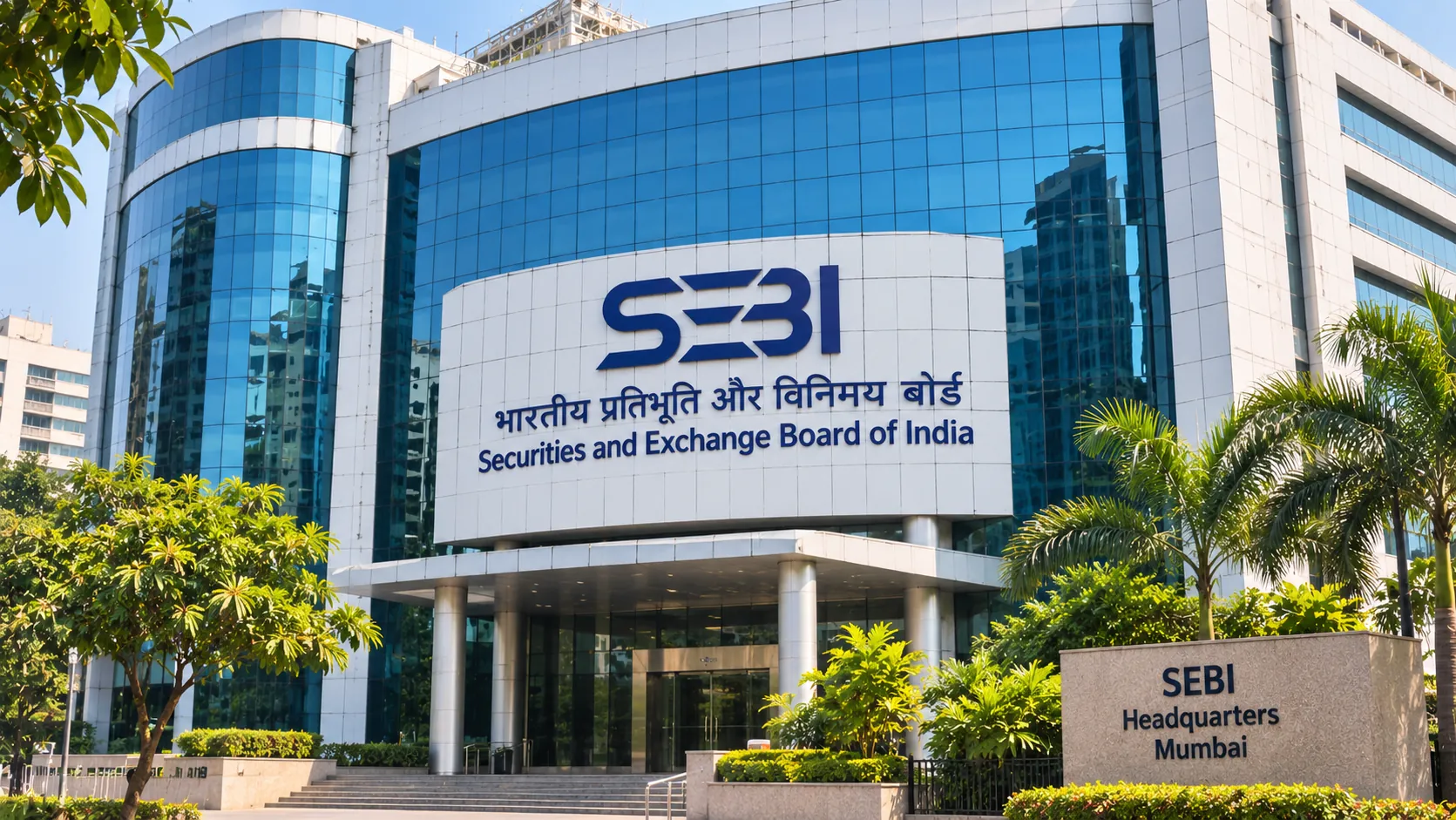
From Sunday 1 November 2026, direct plans are the default option on the websites and mobile apps of mutual fund houses. The Securities and Exchange Board of India (SEBI) chairman, Tuhin Kanta Pandey, announced the change on 28 October. Investors who still prefer a regular plan can choose it, and they will be shown that its expenses are higher. The change is small on the screen, but it targets one of the largest hidden costs in retail investing.
What changes on the screen
A mutual fund scheme comes in two versions that invest in the same portfolio under the same fund manager. A direct plan is bought straight from the fund house, and its annual expense ratio carries no distributor commission. A regular plan is bought through a distributor, an adviser or an intermediary, and part of its expense ratio pays that person. Because the expense ratio comes out of the fund's assets every day, the two versions have separate net asset values, and the direct plan's NAV grows faster by the amount of the commission.
Until now the choice between the plans was left to the investor on each fund house's platform, and it was easy to make without noticing the cost difference. From 1 November the direct plan is shown first and pre-selected. Anyone who picks a regular plan on these platforms is shown its higher expense ratio. SEBI's announcement speaks of the fund houses' own digital platforms, and it is not yet clear whether third-party investment apps and platforms are covered, so investors using those should still check the plan name on the order screen.
Three things stay as they were. Regular plans are not discontinued, and distributors can keep selling them. Existing investments and running SIPs are not switched automatically. And the portfolio, the fund manager and the scheme's risk do not change with the plan.
The rule builds on one that already exists. Under SEBI's mutual fund rules, if an application carries no distributor code, or does not name the plan, the fund house must try for 30 days to obtain the correct code and, if it does not, process the transaction under the direct plan. Direct was already the fallback. The new rule moves it to the front.
Why it matters, in rupees
The effect of an expense gap grows with time, because it compounds like a return. The illustration below is not a forecast. It assumes a fund that earns 12% a year before costs, a direct plan that costs 0.5% a year and a regular plan that costs 1.5%, so the net returns are 11.5% and 10.5%. The actual gap differs from scheme to scheme and has to be read from the scheme documents.
| Investment | Direct (11.5%) | Regular (10.5%) | Difference |
|---|---|---|---|
| Rs 10 lakh lump sum for 15 years | Rs 51.2 lakh | Rs 44.7 lakh | Rs 6.5 lakh |
| Rs 10,000 monthly SIP for 20 years (Rs 24 lakh invested) | Rs 86.6 lakh | Rs 76.8 lakh | Rs 9.8 lakh |
A one percentage point gap therefore takes away roughly a sixth of what an investor would otherwise have gained over fifteen or twenty years. That is why the regulator cares about what the default screen shows. People rarely change the option that has been selected for them, and the plan chosen on the first day often stays for years.
Who should switch, and what the switch costs
The first rule is not to rush. Moving from a regular to a direct plan counts as a redemption from one plan and a fresh purchase in the other. Capital gains tax can arise on the units redeemed, depending on how long they were held, and an exit load may apply to units sold within the scheme's load period. A switch made too early can eat a part of the saving, particularly for a recent investment with a small gain or for an investor in a scheme with a long exit-load period. The usual advice is to check the holding period and the load, work out the tax, and then decide whether the saving over the years that remain exceeds the cost today.
The second question is whether you want the service that a regular plan pays for. Direct plans suit investors who can choose their own asset allocation, rebalance once a year and stay invested through a fall in the market. A distributor or adviser who does that work, and who stops an investor from selling in a panic, may be worth some of the 0.5 to 1% a year, and the regular plan is the way most advisers are paid. The point of the rule is that the investor should know what is being paid, not that the service is worthless.
A short checklist follows. Before the next purchase on a fund house's app, look at the plan name on the order screen and confirm it says "Direct". On an existing statement, check whether the scheme name includes "Direct". Where the plan is regular, ask the distributor for the expense ratio of both versions. And if a switch is being considered, put the tax and the exit load on the table first.
SEBI has made other changes this week for investors and intermediaries. From 8 November, research analysts no longer have to record calls with institutional clients, under a circular dated 23 October, while other records of client interactions stay compulsory. Brokers must also show investor-awareness messages on their websites and trading apps from 1 November, as part of SEBI's Project Jagrook. The full circulars and the master circular on mutual funds are on SEBI's website.
This article is for information and is not investment advice.
Sources
About the Author
A
Amita Sahani
Staff Writer
Amita Sahani writes for Wirony. Every story under this byline is reviewed and approved by an editor before it is published, and corrections are made openly.
A
5 min
What did you think?