/
Cabinet approves Rs 10,000 crore Container Manufacturing Promotion Scheme to raise India's capacity tenfold
The Union Cabinet approved the Container Manufacturing Promotion Scheme with an outlay of Rs 10,000 crore up to 2039-40. It aims to lift India's annual container capacity nearly tenfold to 7.5 lakh TEUs, through interest subvention, assistance per container, testing support and cheaper port land.
S
4 min
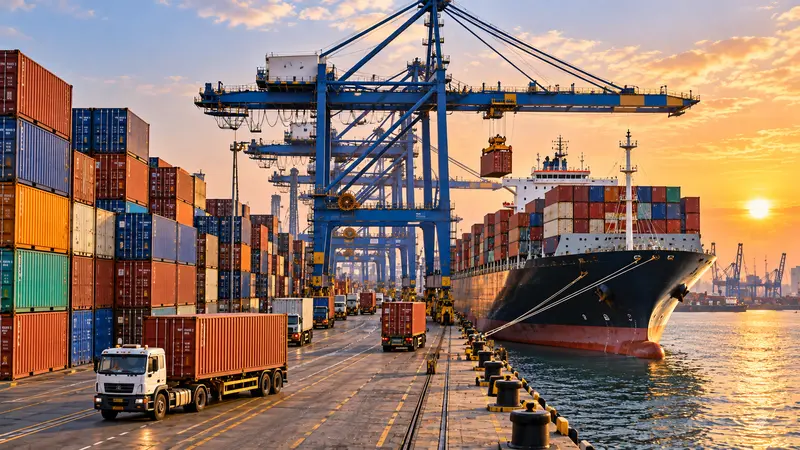
The Union Cabinet, chaired by Prime Minister Narendra Modi, approved the Container Manufacturing Promotion Scheme on Wednesday, 28 October, with an outlay of Rs 10,000 crore. The scheme runs for 13 years, up to the financial year 2039-40, and it aims to raise India's annual container manufacturing capacity nearly tenfold, to 7.5 lakh twenty-foot equivalent units, known as TEUs. It was first announced in the Union Budget for 2026-27.
What a TEU is
A TEU is the standard measure for container capacity. One twenty-foot container is one TEU, and a forty-foot container counts as two. Shipping lines, ports and manufacturers use it to describe how many containers they handle or make in a year.
The scheme has four components: interest subvention, financial assistance for containers, support for testing and certification, and support on land leasing and operating costs.
| Component | Allocation |
|---|---|
| Interest subvention on term loans for new or expanded plants | Rs 859 crore |
| Financial assistance for containers made to global shipping standards and sold by eligible manufacturers | Rs 8,891 crore |
| Testing and certification, including common test facilities | Rs 150 crore |
| Land leasing support and operational expenditure assistance | Amounts not given in the reports |
The three stated amounts add up to Rs 9,900 crore, so about Rs 100 crore of the outlay is not accounted for in the reports. The financial assistance is meant to bridge the gap between the cost of making containers in India and the cost elsewhere. The testing money covers common infrastructure such as facilities for dynamic longitudinal impact testing and other quality checks.
Who can take part
New plants must have an annual production capacity of at least one lakh TEUs, and manufacturers who expand an existing plant must add at least 25,000 TEUs. The facilities must be commissioned within three years of receiving an in-principle approval and must meet international container standards. Major port authorities will be able to lease land to container manufacturing units at a reduced rate of 25 per cent, and the scheme sets a minimum requirement for domestic content in the containers made under it.
India is a large user of containers but does not make many of them, and the containers used in its trade come largely from abroad. The scheme comes at a time when conflicts have disrupted maritime trade and shipping, and containers have become scarce. On Wednesday the Ministry of External Affairs said that 22 Indians, including 14 seafarers, have been killed in the West Asia conflict, which has also affected shipping through the Strait of Hormuz and the Red Sea, and Houthi attacks have raised concerns about the Bab-el-Mandeb shipping lane.
When ships are held up or rerouted, containers do not get back to the ports where exporters need them, and freight rates rise. A domestic supply of containers would give Indian exporters a more reliable source.
The main questions for companies that might apply are the scale and the cost. A new plant needs at least one lakh TEUs of annual capacity, which is a significant investment, and the support per container is meant to make up for the higher cost of production compared with established producers. The interest subvention reduces the cost of the loan for building a plant. The cheaper land at major ports puts plants close to the place where containers are used.

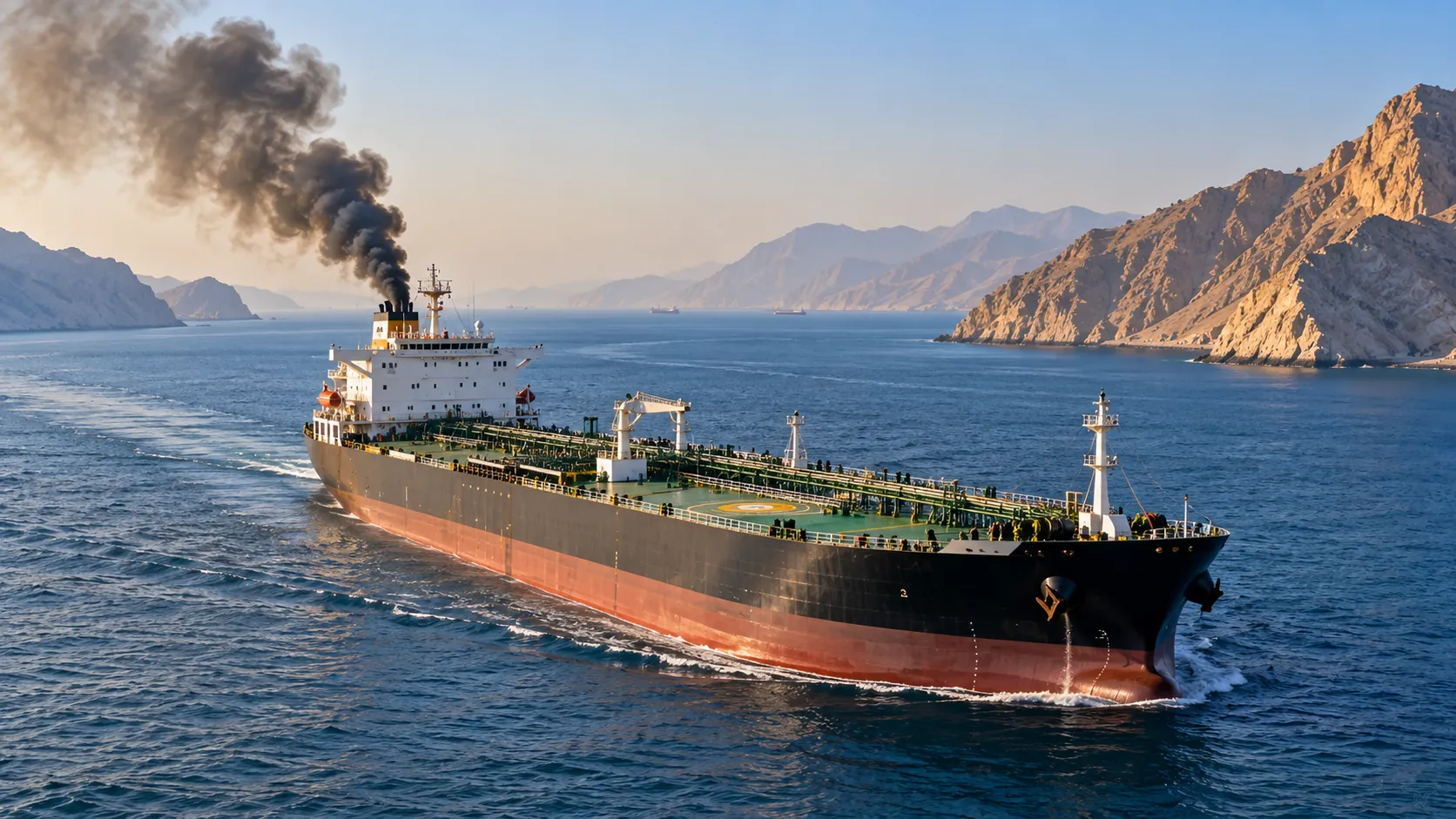
The 13-year duration gives manufacturers a long period over which to plan, though the assistance for each container is paid when a container is sold, so the support depends on actual sales.
Because the money is paid when a container is made and sold, the benefit goes to manufacturers who can find buyers for their output. That puts the shipping lines and traders who buy containers at the centre of the scheme's success, and the reports do not say whether the government has secured any commitments from them.
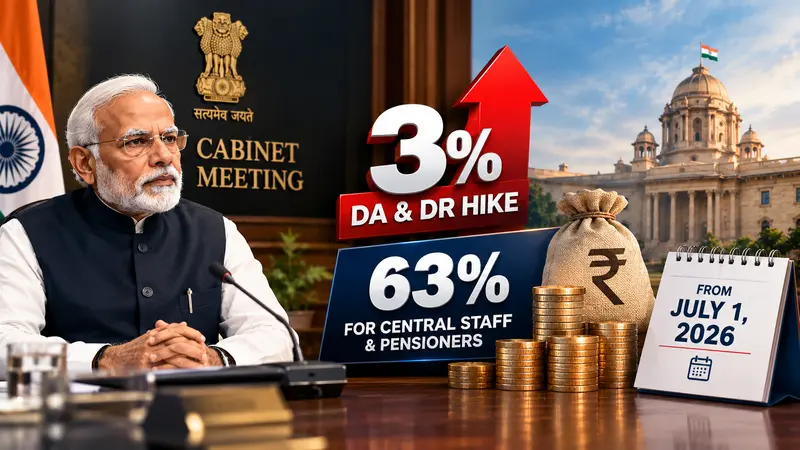
The Cabinet also approved a 3 per cent increase in dearness allowance for central government employees and pensioners before Diwali. The scheme for containers is separate and is part of a wider effort by the government to build up manufacturing and shipping capacity at home.
The reports do not give a date for the start of applications or the name of the agency that will run the scheme.
S
4 min
What did you think?