/
Bombay High Court refuses to stop Tata Sons board meet or bar the casting vote
On 27 November the Bombay High Court declined interim relief to two Tata Trusts that wanted the 30 November Tata Sons board meeting put off, or a casting vote barred. Their challenge to N. Chandrasekaran's reappointment continues, and the meeting's outcome depends on the final orders.
P
5 min
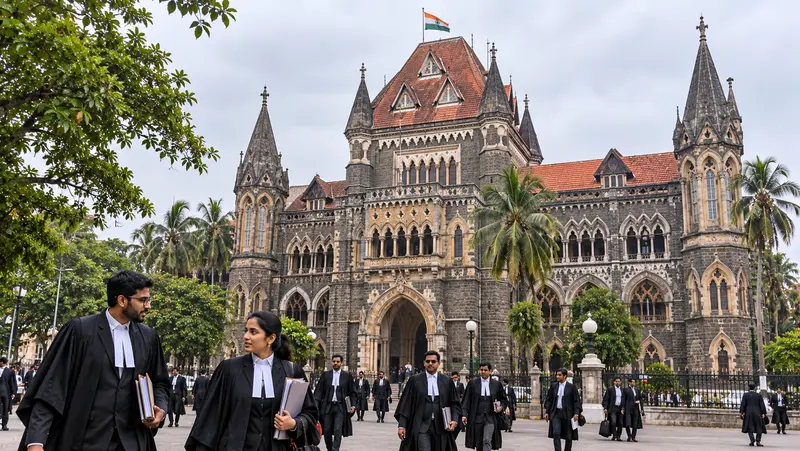
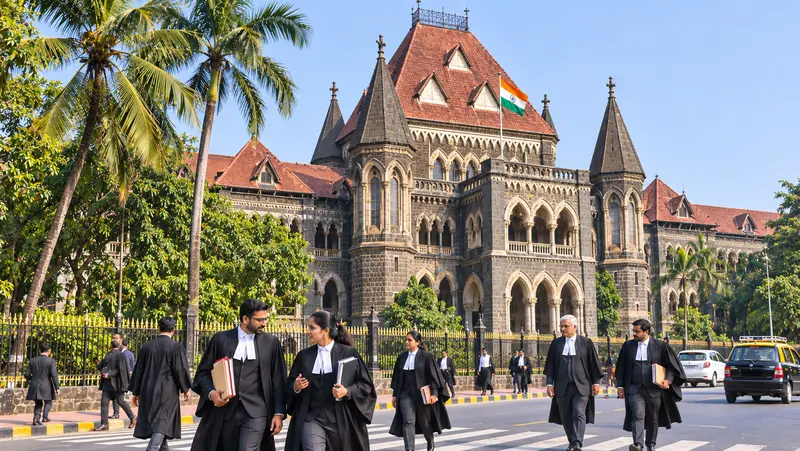
The Bombay High Court on Friday, 27 November 2026, refused to give two of the Tata Trusts any interim relief against Tata Sons. The board meeting fixed for Monday, 30 November, can therefore go ahead, and the court did not bar the use of a casting vote. Justice Abhay Ahuja made clear that whatever happens at the meeting remains subject to the final orders in the suit. "I am not granting any relief," the judge said. The allegations in the suit have not been decided.
The plaintiffs are the Sir Dorabji Tata Trust and the Ratan D. Tata Trust. Together with related trusts they form the Tata Trusts, which hold about 66 per cent of Tata Sons, the holding company of the Tata group. The two plaintiffs filed the suit on 26 November against Tata Sons and six directors. Noel Tata, chairman of the Tata Trusts since October 2024, sits on the Tata Sons board as a trust nominee.
The decision under challenge
The suit targets a board resolution of 17 September that reappointed N. Chandrasekaran as executive chairman for a third five-year term, starting on 21 February 2027. The resolution was recorded as passed 4-1, with Chandrasekaran abstaining. Of the two trust nominee directors, Venu Srinivasan voted for it and Noel Tata voted against. Independent director Harish Manwani, who chaired that part of the meeting, used a casting vote to break the split between them.
| Item | Detail |
|---|---|
| Resolution challenged | 17 September reappointment |
| New term would begin | 21 February 2027 |
| Board vote | 4-1, chairman abstaining |
| Trust nominees | Srinivasan for, Noel Tata against |
| Damages claimed | Rs 50 crore and Rs 15 crore, with 18% interest |
Articles 104B and 121 of the Tata Sons articles of association give the trusts' nominee directors a special say. The trusts argue that a majority of their nominees must approve certain decisions. With two nominees, a one-one split would mean that approval was not obtained, and no casting vote could supply it. Counsel for Noel Tata put the point bluntly: "The vote has to be 2/2 else not."
The other side reads the articles differently and says a deadlock between nominees cannot be allowed to paralyse the company. The court has not yet ruled on which reading is right. It did ask whether the September vote amounted to a tie, and the trusts answered that the real question was whether the affirmative vote of their nominees had been secured at all.
What the trusts asked for now
In the interim, the trusts wanted the 30 November meeting deferred or stayed, or an order preventing a casting vote if the nominee directors divided again. None of these was granted. In the final suit they seek a declaration that the September resolution is invalid, a permanent injunction against acting on it, and damages of Rs 50 crore for the Sir Dorabji Tata Trust and Rs 15 crore for the Ratan D. Tata Trust, each with 18 per cent annual interest.
For the Sir Dorabji Tata Trust, senior advocate Abhishek Manu Singhvi argued that a regulatory deadline was being used to "manufacture urgency" and that once Noel Tata disagreed, the matter ended. Aspi Chinoy, for the other trust, called the casting vote a clear misuse of the articles.
Harish Salve, for Tata Sons and Chandrasekaran, said the real subject was compliance with a letter from the Reserve Bank of India, which asks the company to plan a share market listing within about seven months. He argued that an injunction would leave the company run as Noel Tata wished, and that suits by the trusts needed permission from the Charity Commissioner under Maharashtra's public trusts law. Ravi Kadam, also for Tata Sons, said the urgency was of the plaintiffs' own making. Counsel for other directors asked the court to refuse relief.
The full agenda has not been made public. Counsel told the court that compliance with the Reserve Bank's requirement is the fourth item, and both sides referred to an extraordinary general meeting that is to be convened. Salve said that meeting would be called in about a week.
What a casting vote usually does
A casting vote is a second vote that the person chairing a meeting may use when the votes are equal, if the company's articles allow it. Its purpose is to stop a board from being stuck. The difficulty in this case is that the tie said to need breaking was not a tie of the whole board but a split within a particular group of nominees whose approval the articles may require. Whether the general power reaches that kind of split depends on the wording and on how a court reads the two provisions together.
Tata Sons is not listed on a stock exchange. A listing would bring public shareholders, continuous disclosure duties and market rules into a company controlled mainly by charitable trusts. The Reserve Bank classifies certain large non-banking financial companies for tighter regulation, and that framework is the background to the letter mentioned in court. The court's order on Friday decided nothing about whether Tata Sons must list or on what terms.
What refusing interim relief means
An interim order protects a party's position while a case is heard. Courts weigh whether the applicant has a strong enough first case, where the balance of convenience lies and whether harm that money cannot repair is likely. Refusing it does not dismiss the suit and is not a finding that the resolution is valid. It means the court was not prepared to stop the company's processes at this stage, with the warning that later orders can affect what is done.
Tata Sons and the other respondents have been given time to file replies. The board is due to meet on 30 November, and the case returns to the High Court in January 2027. Shareholders and readers can follow listed court orders on the High Court's website. This report is for information only and is not investment advice or legal advice.
About the Author
P
Prateek Rawat
Staff Writer
Prateek Rawat is a contributor to Wirony. All articles published under this byline undergo editorial review and approval before publication, with any necessary corrections handled…
P
5 min
What did you think?