/
Reported Iran dirty bomb plot in Washington: what CNN, the White House and Iran say
The White House sees no credible threat; Iran calls the report fabricated.
R
4 min
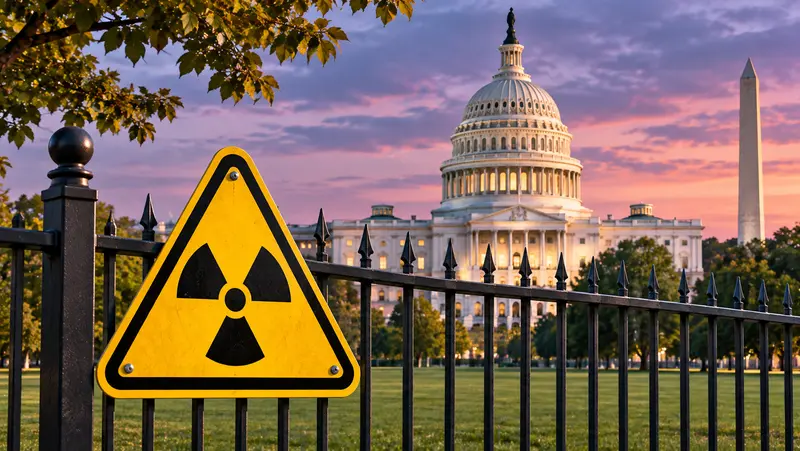
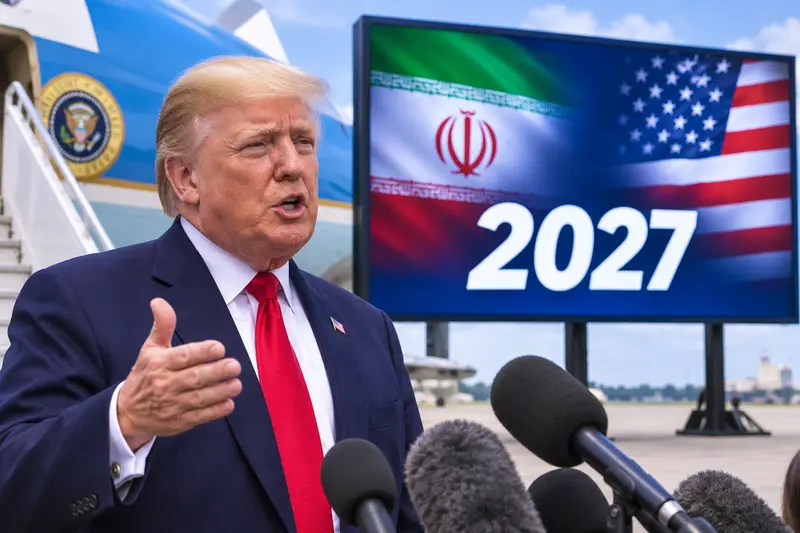
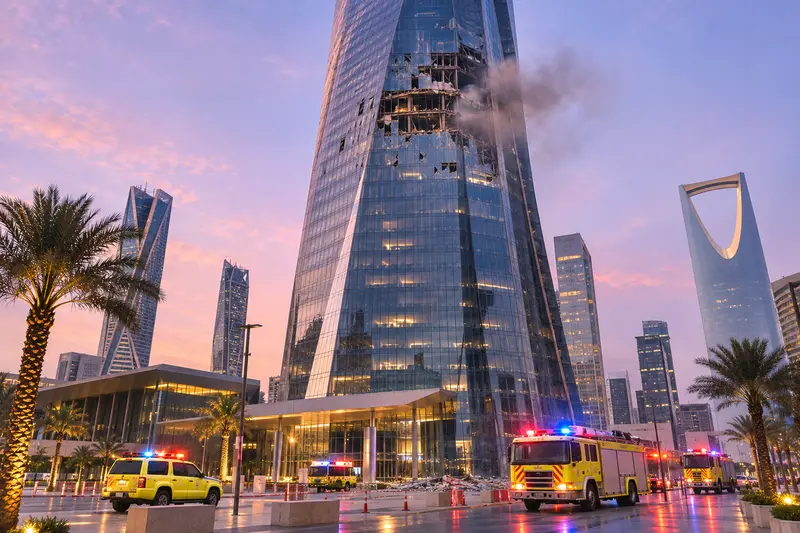
On 16 November 2026 that new US intelligence points to Iran developing plans to attack Trump administration officials in Washington, possibly with a dirty bomb or a chemical weapon. The report cites seven US officials. The White House says there are "no credible threats to the homeland", and Iran's mission to the United Nations has called the claims "false and fabricated". President Donald Trump said on Tuesday that the government takes the report "very seriously".
The report is unverified, and no evidence for it has been made public. This article sets out what each side has said and what a dirty bomb is.
What does the CNN report say?
According to reports, US intelligence suggests that Iran is creating options for an attack in Washington aimed at senior officials of the Trump administration. The officials described it as Tehran weighing choices, not an imminent attack, and said there is no sign that Iran has decided to go ahead. One piece of the intelligence is intercepted Iranian chatter suggesting bomb-making materials had been hidden inside the United States. US officials are divided on whether that claim is credible and on whether Iran has the people to carry out such an attack. One official said it would be "extremely easy" for operatives to have entered the country over the past decade and positioned components.
Officials told CNN that they have discussed countermeasures for Washington and contingency plans for the Middle East, and that US troops in the region lack adequate protection and training against a chemical attack. Some officials see the reporting as a sign that Iran may be considering escalation while negotiations are stalled.
White House spokesperson Lauren Bis said the United States is "monitoring any and all potential threats, but at this time there are no credible threats to the homeland". Mr Trump told reporters the government was "looking into" the report and that Iran could pay a major price if it carried out such a plan.
Iran rejected the report. Its UN mission said it "categorically rejects and unequivocally refutes the false and fabricated allegations" and that Iran considers the use of chemical weapons illegitimate in any circumstance. Foreign Ministry spokesperson Esmaeil Baghaei called the report baseless and suggested it was meant to frighten the public and build support for further hostile action against Iran.
| Party | Position |
|---|---|
| CNN, citing seven US officials | Intelligence suggests Iran is developing options for a dirty bomb or chemical attack in Washington |
| White House | Monitoring threats; no credible threats to the homeland |
| President Trump | Taking the report "very seriously" |
| Iran's UN mission | Allegations false and fabricated |
| Independent experts | Plausible in theory, unlikely as a deliberate plan, mass casualties improbable |
What is a dirty bomb?
A dirty bomb is a radiological dispersal device. It pairs a conventional blast charge with radioactive material, and the blast spreads that material around. It is not a nuclear weapon and does not need enriched uranium or a chain reaction. A nuclear detonation can spread radiation over thousands of square miles; a dirty bomb would scatter radioactive debris over a few blocks or miles.
The Council on Foreign Relations says building one takes little expertise, and that the hardest part is getting the radioactive material. The US Centers for Disease Control and Prevention says that most of the danger comes from the initial explosion. Radiation is unlikely to cause immediate serious illness except to people very close to the blast, and radioactive dust and smoke can be dangerous if inhaled. The CDC advises covering the nose and mouth, moving indoors and showering afterwards.

No dirty bomb has ever been used in an attack. In 1995, Chechen rebels said they had placed a cesium-137 container in a Moscow park, and it was found and removed without an explosion. In Goiania, Brazil, in 1987, scavengers took a cesium-137 source from an abandoned clinic and four people died, though no bomb was involved.
Experts quoted by Al Jazeera and TIME are cautious. Talha Abdulrazaq of the University of Exeter said a dirty bomb is not "an off-the-shelf nuclear bomb" and that "a degraded capability doesn't mean a destroyed capability". Scott Roecker of the Nuclear Threat Initiative called a dirty bomb "really easy to make". Chris Kremidas-Courtney of the Euro-Atlantic Resilience Centre described it as a "tool of last resort under extreme circumstances".
Representative Andre Carson, a Democrat on the House Intelligence Committee, said the committee receives "these kinds of reports quite often" and called the threat an intimidation tactic.
What is the background?
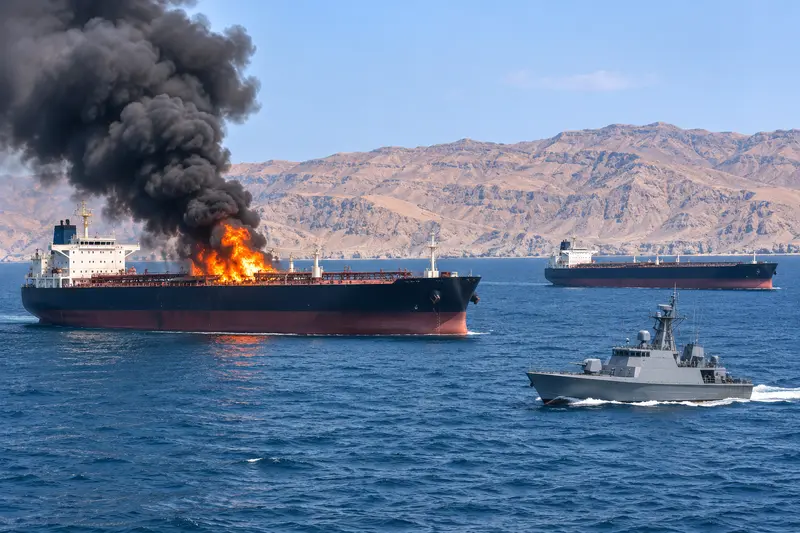
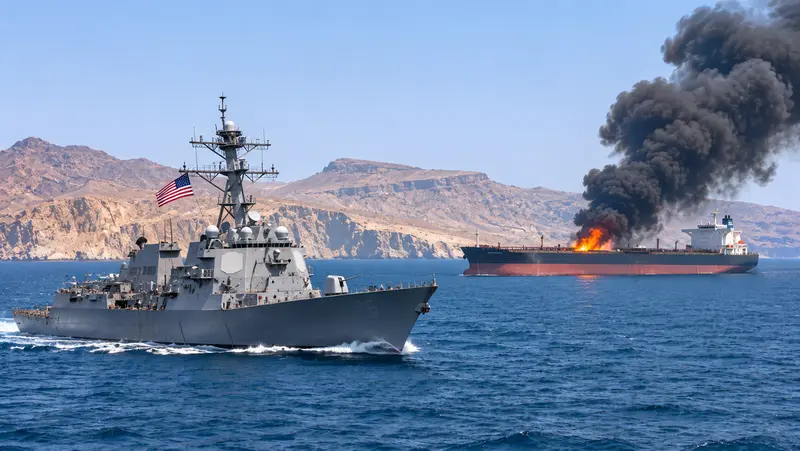
The United States and Israel launched a war on Iran on 28 February 2026. Iran has attacked US bases, energy sites and shipping, but has not attacked US soil directly. The USS Theodore Roosevelt arrived in the Middle East on 16 and 17 November, bringing the US carrier count there to three, while talks to end the war have stalled. Earlier this month, federal prosecutors in Manhattan widened an indictment against three men accused of planning attacks linked to Iran's Revolutionary Guards and Kataib Hezbollah.
What is still unknown is who produced the intelligence, how reliable it is and whether any steps have been taken at home. Readers should wait for official briefings before treating any of it as confirmed.
About the Author
R
Reyaansh Agarawal
Staff Writer
Reyaansh Agarawal contributes to Wirony, covering stories that are carefully reviewed and approved by the editorial team before publication. Wirony is committed to maintaining tran…
R
4 min
What did you think?