/
Supreme Court defers pleas against CEC Gyanesh Kumar and SIR till after Diwali; 10 days to respond
A Supreme Court bench led by CJI Surya Kant deferred about three dozen petitions on the Election Commission's functioning, the Special Intensive Revision of rolls and the 2023 law on commissioners until after the Diwali break, giving petitioners 10 days to answer the Commission's affidavit.
P
4 min
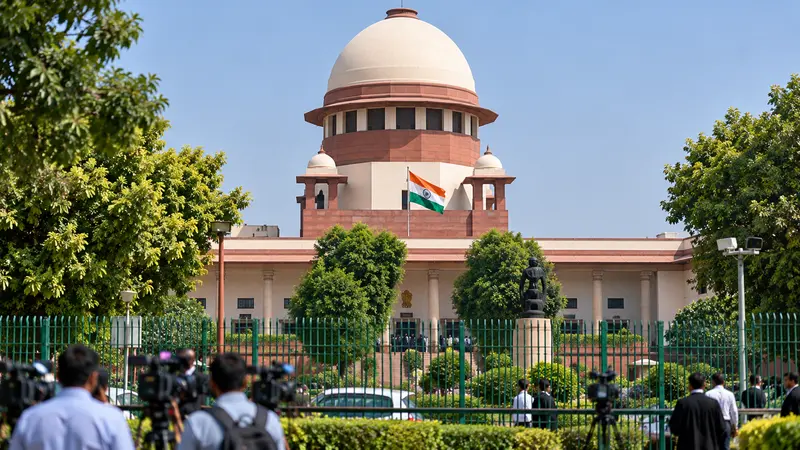
The Supreme Court on Tuesday, 27 October, deferred the hearing of a batch of petitions on the functioning of the Election Commission, the Special Intensive Revision of electoral rolls and the law governing the appointment of election commissioners until after the Diwali break. A bench led by Chief Justice Surya Kant, with Justices Joymalya Bagchi and V. Mohana, gave the petitioners 10 days to reply to the Commission's affidavit. No fixed date was given in the reports, though one account says the matter could be listed around 17 November.
The petitions
About three dozen petitions were before the court. They have been filed by opposition leaders, the Association for Democratic Reforms, the non-governmental organisation Lok Prahari, the Congress leader Jaya Thakur and others, and a new petition by Trinamool Congress leader Dola Sen on Form 6 and the revision was issued notice and tagged with the rest.
The petitioners have asked the court to stay the revision, which is under way in several states, and to order an inquiry, either by a commission headed by a retired Supreme Court judge or by a special investigation team. They also want the court to declare the revision illegal and to strike down the Chief Election Commissioner and Other Election Commissioners Act, 2023. They challenge Section 16 of that law, which they say shields commissioners from legal action for acts done in office, and ask for the Chief Justice of India to sit on the selection committee in place of a Union minister, which they say gives the government a majority.
The petitions allege that Chief Election Commissioner Gyanesh Kumar took major decisions without the agreement of the other two commissioners. They say that written objections were raised on at least 14 decisions between October 2025 and August 2026, including decisions on centralising the management of voter lists and data.
What the Election Commission says
The Commission filed a counter-affidavit on 26 October. It says that the orders on the revision issued in June 2025, October 2025 and May 2026 were all passed with the consent of all three commissioners. It says that notings or objections recorded on a file are not a final decision, and that no changes were made to Form 6, contrary to the allegation. It rejected the charge of irregularities and questioned the basis of the petitions.
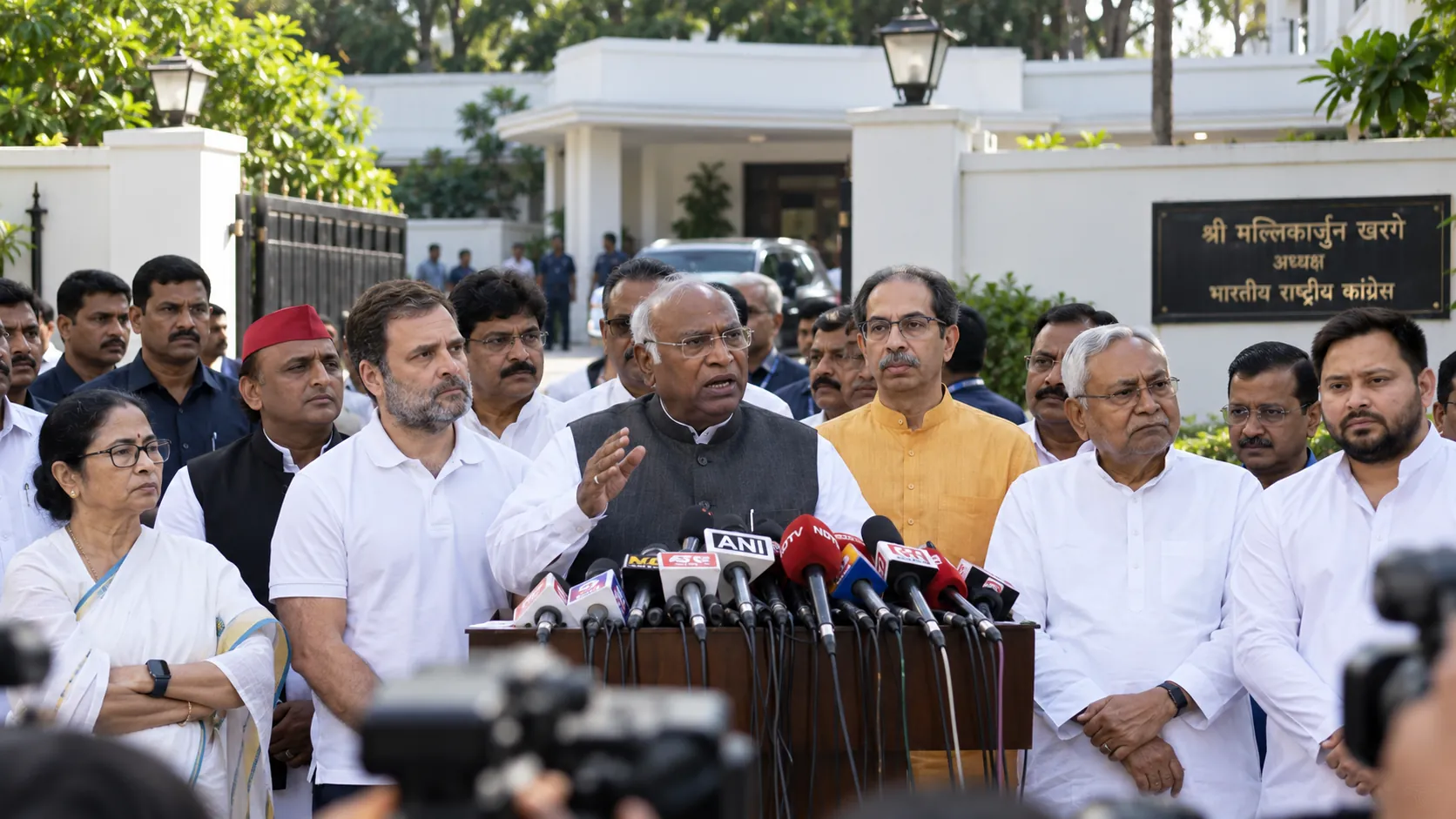
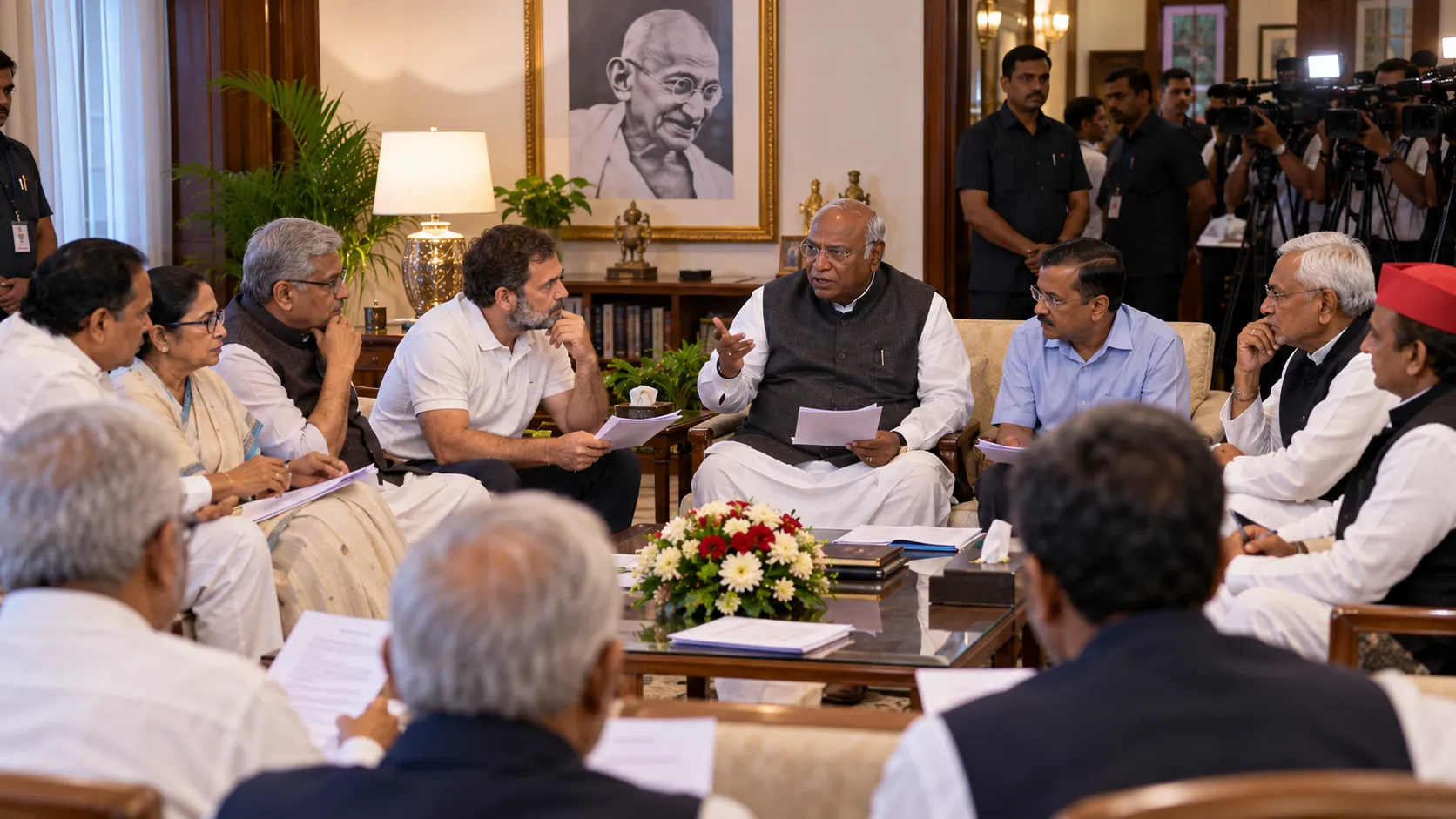
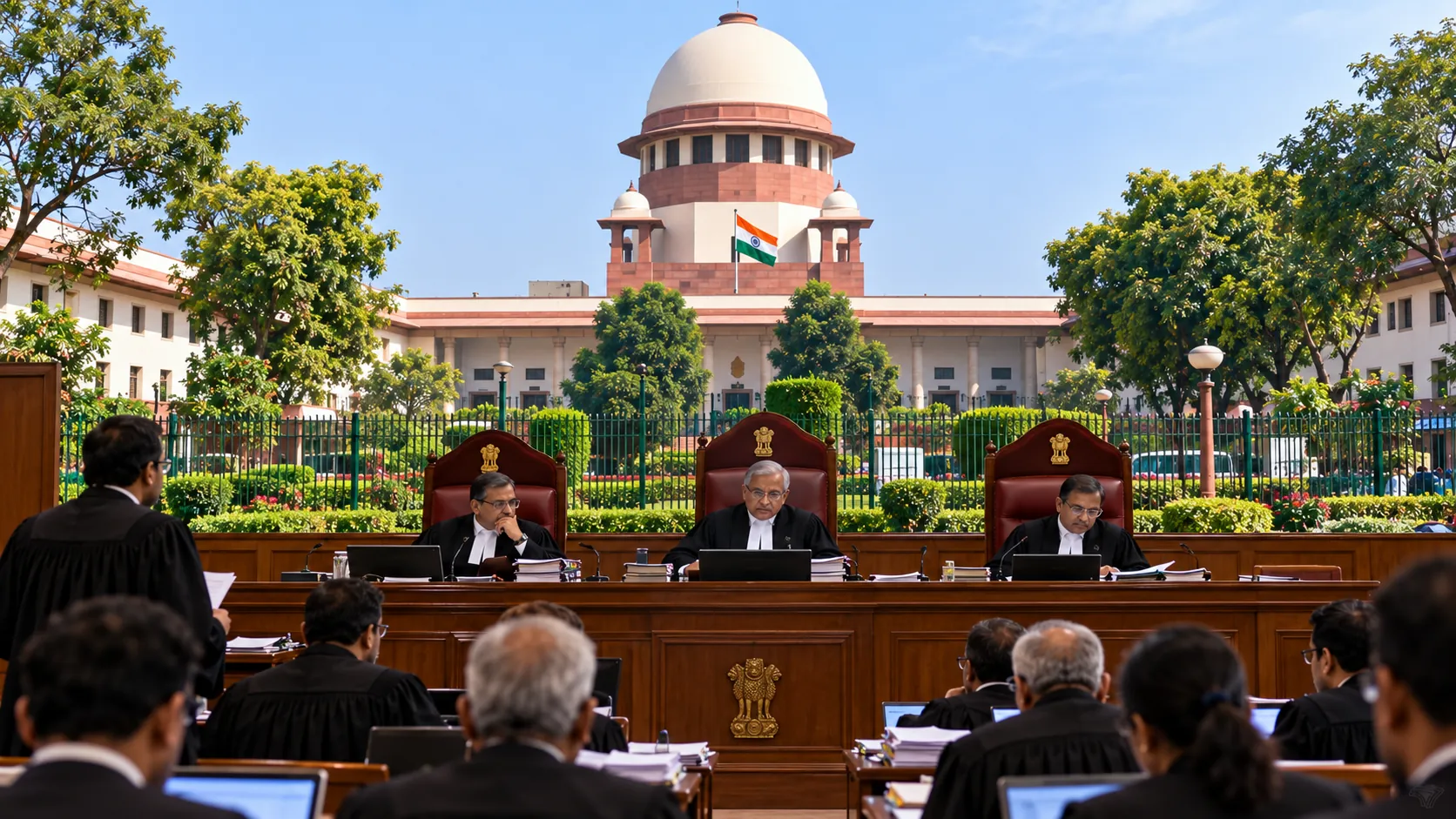
The bench allowed the Commission to use the same affidavit in other petitions on the issue, or to file an additional one. Reports differ on the time given to the petitioners to answer: most say 10 days, one says two weeks, and a live account says the Commission may file an additional affidavit within 14 days, followed by 10 days for the other side. The hearing was put off until after the Diwali holidays. The Chief Justice also warned a lawyer against making irrelevant arguments, saying that crossing the line would have consequences.
| Date | Step |
|---|---|
| 26 October | Election Commission files its counter-affidavit |
| 27 October | Hearing; deferred till after Diwali, 10 days to respond |
| After the Diwali break | Hearing resumes; one report says around 17 November |
The petitioners say the revision should not go on while the questions are pending, and the Commission says it is acting within the law and on the unanimous orders of all three commissioners. The court has not ruled on either position.
The questions before the court are of two kinds. One is whether the revision of the rolls, which removes and adds names before elections, was carried out lawfully and fairly. The other is institutional: whether the way commissioners are chosen and protected by law is consistent with the independence of the Commission. The first has a direct effect on voters whose names may be affected in the states where the revision is running. The second affects every election the Commission conducts.
Because the hearing is now after Diwali, the revision continues in the meantime, and the petitioners' request for a stay has not been granted. The reports do not say that the court has passed any interim order on the stay. The next stage will be the petitioners' reply, followed by the hearing, when the bench is expected to look at the objections raised on the 14 decisions and at the Commission's explanation that they were noting on files and not final decisions.
P
4 min
What did you think?