/
Calcutta High Court issues criminal contempt notice to TMC MP Abhishek Banerjee
Justice Krishna Rao of the Calcutta High Court found on 17 November that statements and a 7 November Facebook post by Abhishek Banerjee prima facie amount to criminal contempt, and gave him 15 days to show cause why he should not be punished. The next hearing is on 8 December.
R
5 min

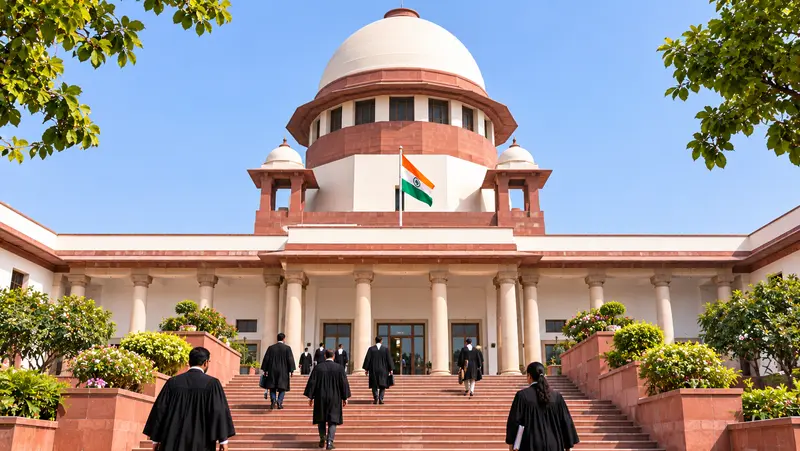
The Calcutta High Court on Tuesday, 17 November 2026, issued a show-cause notice for criminal contempt to Abhishek Banerjee, the Trinamool Congress MP from Diamond Harbour. A single judge, Justice Krishna Rao, held that statements by Mr Banerjee and a social media post of 7 November amount, on the face of it, to criminal contempt of court. Mr Banerjee has 15 days from the issue of the notice to explain why he should not be punished. The case comes up next on 8 December.
The order is at the show-cause stage. The court has not found Mr Banerjee guilty and has not imposed any punishment. It has said that, prima facie, the post "amounts to interference with the administration of justice".
What the court said and did
Justice Rao reviewed a transcript of Mr Banerjee's statements and his Facebook post of 7 November. In the post, Mr Banerjee alleged that his Kolkata residence had been attacked by "BJP hooligans", which led to clashes between supporters of the two parties. He called the incident the "seventh attempt" on his life in six months. The court's order records remarks alleging political bias among judges, and it treated those remarks and the post as the basis for the proceeding. The notice's published summary does not quote the remarks themselves.
The court held that Mr Banerjee "committed ex facie criminal contempt of court". The phrase means contempt apparent on the face of the material, without the need for further evidence. The judge nonetheless ordered a show-cause notice, which gives the person a chance to answer before any finding is made. Mr Banerjee's reply is due within 15 days.
The same order dealt with a separate matter that Mr Banerjee had brought. On 28 September he moved the court to restore his earlier security cover. His lawyer told the court that he had Z-plus cover from 2016 and that it was reduced to the lower X category on 10 May, a day after the new state government took office, without notice from the Union Home Ministry or the state. The X category gives him two security personnel, against a larger entourage under Z-plus. The court directed the state's Principal Secretary of Home and Hill Affairs to convene a review committee within two weeks of receiving the order to consider recategorising his security, taking account of the alleged attacks.
The Contempt of Courts Act, 1971 defines criminal contempt as the publication of anything, by words, signs or otherwise, that scandalises or lowers the authority of a court, prejudices or interferes with the due course of a judicial proceeding, or interferes with or obstructs the administration of justice. High Courts are courts of record and have the power under Article 215 of the Constitution to punish for their own contempt.
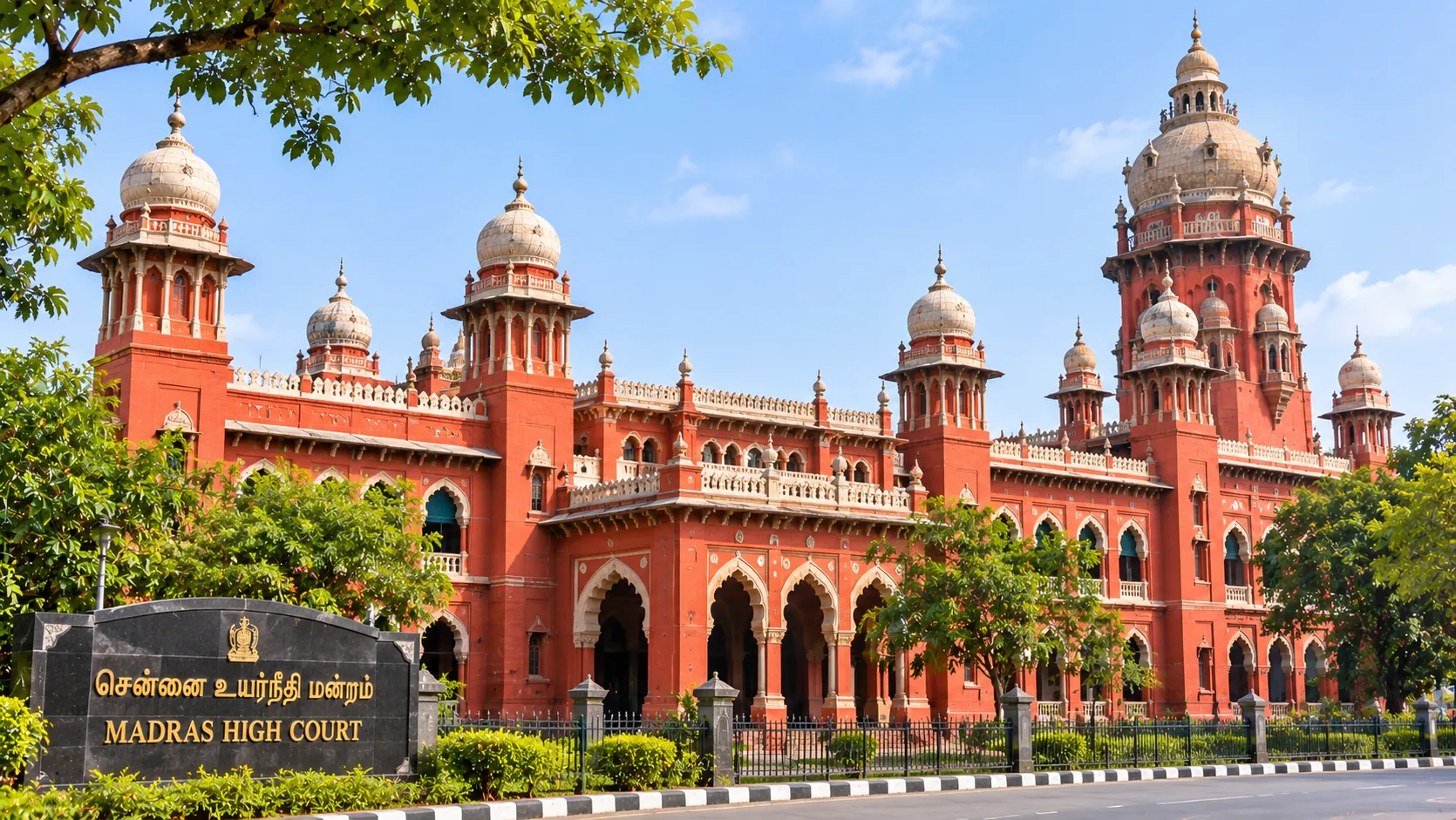
The process has set steps. The court takes note of the material, either on its own or on a reference, and issues a notice to the person asking why action should not be taken. The person files a reply, which can explain the facts, deny the charge, or offer an apology. The court then hears the matter and records a finding. If it finds contempt, it decides the punishment, which under the Act can be simple imprisonment for up to six months, a fine of up to Rs 2,000, or both. The Act allows the court to discharge the person or remit the punishment if an apology is made and the court is satisfied that it is made in good faith. Truth is a defence if it is in the public interest and the request to rely on it is made in good faith.
What the notice does not decide
A show-cause notice is the first step, not a verdict. Under the Act, the person charged must be given notice of the proceedings and a fair chance to file a reply on affidavit before the court decides anything. The court also has to be satisfied that the act in question substantially interferes, or tends to substantially interfere, with the due course of justice. A statement that is merely harsh or unwelcome to judges does not meet that test on its own.
The Constitution lets Parliament restrict free speech in relation to contempt of court, which is why Article 19(2) lists it. At the same time, fair criticism of a judgment, as opposed to an attack on the court's integrity, is not contempt under the Act. How the High Court draws that line for a sitting MP's social media post, and for statements made outside court, is the question that the reply and the hearing will address. Nothing in the order so far has answered it.
The 8 December hearing and after
The next date is 8 December. By then Mr Banerjee has to file his reply, and the court will decide whether to proceed to a hearing on the charge.
Mr Banerjee was reported to have said after the order that he would not back down from his criticism of the judiciary; his formal position will be known only from the reply he files. The court will look at what he says in his reply and at the weight of the material, and it will decide on the facts whether the post and the remarks cross the line between criticism of a judgment, which is protected, and an attack on the court's authority, which is not.
About the Author
R
Reyaansh Agarawal
Staff Writer
Reyaansh Agarawal contributes to Wirony, covering stories that are carefully reviewed and approved by the editorial team before publication. Wirony is committed to maintaining tran…
R
5 min
What did you think?