/
22 Indians, including 14 seafarers, killed in West Asia conflict since February, MEA says
The Ministry of External Affairs said on Wednesday that 22 Indians, including 14 seafarers, have been killed in the West Asia conflict that began in February; three died in Saudi Arabia. India urged dialogue and voiced concern over Houthi attacks on Saudi infrastructure and shipping.
S
4 min
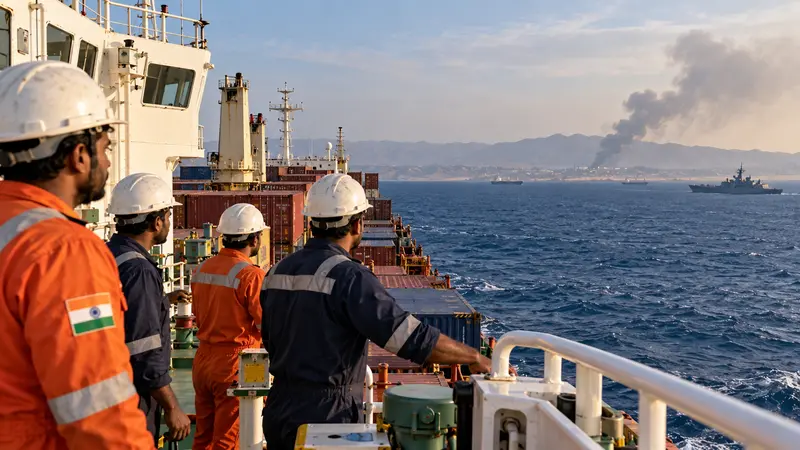
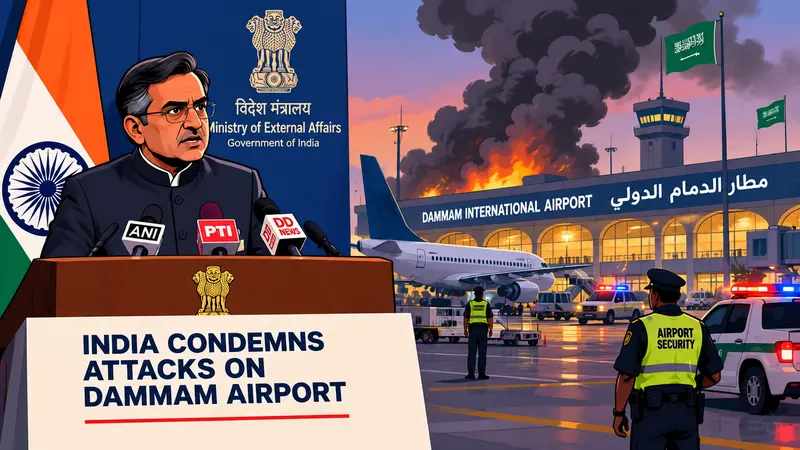
The Ministry of External Affairs said on Wednesday, 28 October, that 22 Indian nationals have been killed in the West Asia conflict, including 14 seafarers. Three of the Indians who died were killed in Saudi Arabia. The ministry's spokesperson, Randhir Jaiswal, gave the figures at his regular briefing, and said that India is deeply concerned and remains in close contact with its community in the Gulf region.
What the ministry said
Jaiswal said that India has lost 22 of its nationals in the conflict. The figure covers the period since the conflict began in February 2026, after the United States and Israel launched strikes on Iran. The reports do not give the dates or places of the deaths of the seafarers, or the names of the ships, and they do not describe any evacuation or travel advisory in connection with the statement.
India has consistently said that the conflict should be resolved through dialogue and diplomacy. The statement came as tension rose sharply after attacks by the Iran-backed Houthi group on Saudi Arabia.
India has voiced serious concern about the attacks by the Houthis on civilian infrastructure and economic assets in Saudi Arabia. It said that such attacks undermine regional stability and threaten freedom of navigation through the Bab-el-Mandeb strait.
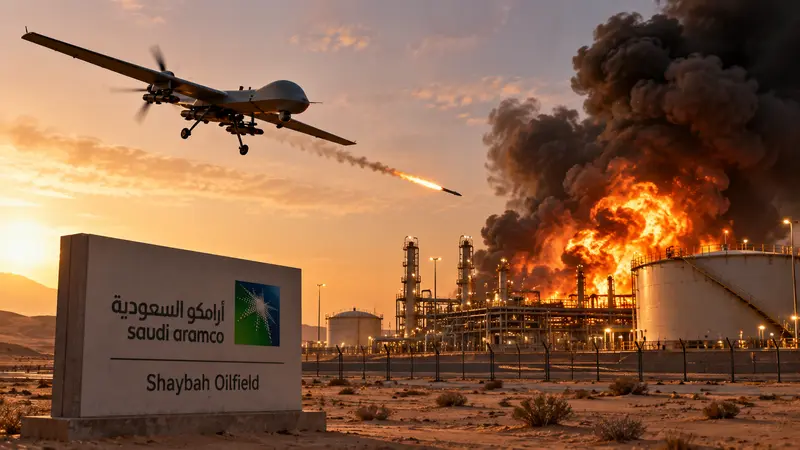
The Houthis attacked Saudi Arabia's East-West oil pipeline, which carries crude across the country to the Red Sea. The pipeline has become important because the conflict involving Iran disrupted shipping through the Strait of Hormuz, and since then it has served as a route around the strait for Saudi oil exports. A satellite image carried with one report shows smoke rising from a Saudi Aramco distribution centre at Abha, and the Saudi-led coalition in Yemen blamed Houthi attacks for the fire.
Why the straits matter
The Strait of Hormuz, between Iran and Oman, is the passage through which a large part of the world's oil trade moves out of the Gulf. The Bab-el-Mandeb strait lies between the Horn of Africa and the Arabian Peninsula and connects the Red Sea to the Gulf of Aden and the Arabian Sea, and it is one of the most important chokepoints in the world for shipping. If ships cannot use one or both of them, they must take longer routes or pay more for insurance, and crews are exposed to danger.
India has an interest in both. A large share of its crude oil and gas imports come from the Gulf, and its goods trade with Europe moves through the Red Sea and the Suez Canal. Indian seafarers also serve on many foreign-flagged ships that sail through these waters.
Diplomacy continues alongside the fighting. A report this week said that Iran has conveyed a multi-layered proposal to Washington to try to break a deadlock in peace talks, and crude oil prices eased on Tuesday as renewed efforts to ease tension between the United States and Iran gained attention. Attacks on Saudi Arabia, however, kept concerns about oil supply alive, and the ministry's statement shows that Indian citizens continue to be exposed to the risks of the conflict.
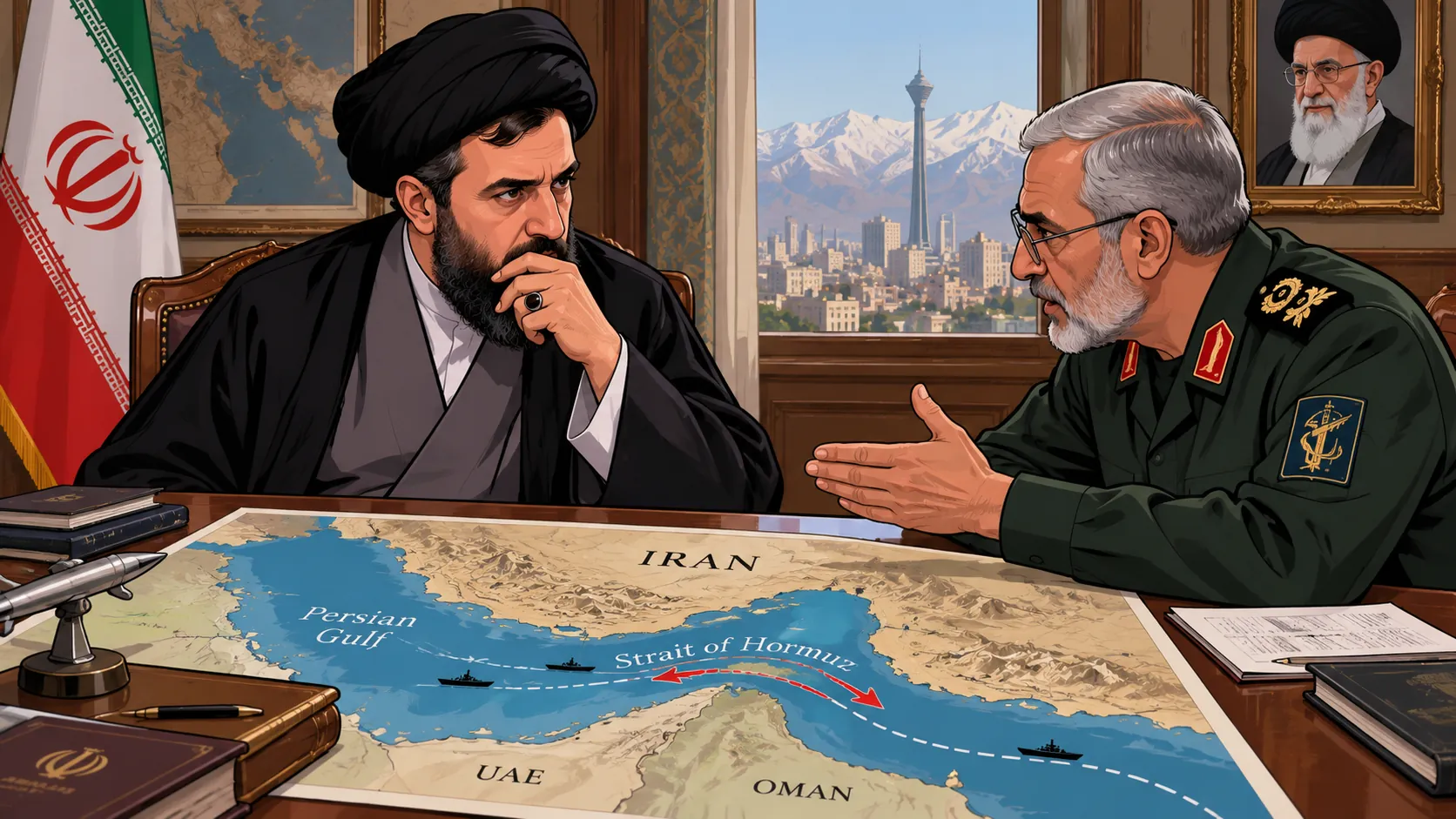
The war has been felt in prices and in business. Companies have named higher commodity costs linked to the conflict as a reason for pressure on their profits, and the price of crude oil has been watched closely in recent weeks. The announcement by the ministry puts a human number on the conflict, which is much larger for the families concerned than any price index.
Millions of Indians live and work in the Gulf. Families who have relatives in the region can keep in touch with them, and Indian embassies and consulates in the region are the first point of contact for Indians who need assistance. The ministry has said that it is taking steps to support the safety and well-being of Indians in the region, though the reports do not set out the steps. Seafarers' families can contact the shipping authorities and the manning agencies that placed their relatives, and can write to the ministry for information on a missing or injured crew member.
The next questions are whether the toll of 22 rises, whether the ministry issues new guidance for seafarers and for Indians in Saudi Arabia, and whether the attacks on the pipeline and on shipping widen. The ministry's briefing offered no timetable for an end to the conflict, and India's stated position remains a call for talks.
S
4 min
What did you think?