/
Labour survey to count gig workers and unpaid care work from January 2027; comments invited for 15 days
The National Statistics Office has proposed changes to the Periodic Labour Force Survey from January 2027. A separate stratum will count digital platform workers, and new questions will cover unpaid household work, caregiving, volunteering and unpaid training. Comments are invited for 15 days.
R
4 min
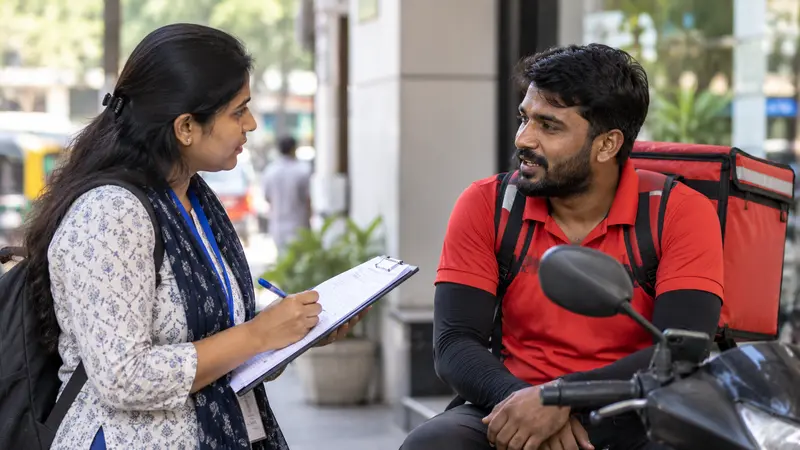
The government wants India's labour survey to count the people who work through apps and the unpaid work that happens at home. The National Statistics Office, which sits under the Ministry of Statistics and Programme Implementation, has proposed changes to the Periodic Labour Force Survey from January 2027, with a separate group for digital platform workers and new questions on unpaid work. The ministry is inviting comments for 15 days from the date of its press note on 23 October, which means the window closes around 7 November.
What the survey is and why it is being changed
The PLFS has been India's main source of employment data since 2017. Its design was revamped in January 2025 so that it could produce monthly, quarterly and annual estimates, as well as indicators for sub-state areas. The unemployment rate and the share of people in work that appear in news reports each month come from it. It reports the labour force participation rate, the worker population ratio and the unemployment rate, and it classifies a person's activity by what they did over the past week and over the past year.
The case for counting platform work has grown with the sector. A NITI Aayog report in 2022 estimated that India had about 77 lakh gig workers in 2020-21 and that the number could rise to about 2.35 crore by 2029-30. A survey that cannot see such a large group will understate a growing form of employment.
The statistics office says the present design did not catch enough digital platform workers in PLFS 2026, which is the reason for a change. A worker on a delivery or ride-hailing app can be missed by a survey that draws a random sample of households, because only a small share of households has such a worker.
Platform workers get their own group
The central change is a new second-stage stratum for digital platform workers, who are a subset of gig workers. A stratum is a group within the sample that is sampled separately, so that a small population is not lost among the larger ones. The existing structure stays, with four second-stage strata in rural areas and five in urban areas, and 14 households will be surveyed in each first-stage unit.
To find the right households, the survey will add a yes or no screening question, asked in both rural and urban areas, on whether any member of the household did digital platform work in the reference period. Households that say yes will be put into the new stratum.
The second change is a set of new questions on work that does not earn a wage. They cover the production of goods for the household's own use, unpaid household and caregiving activities, volunteer work and unpaid trainee work. The questions will be asked on the first visit to people aged 15 and above, in rural and urban areas, and the aim is to report on these activities every year.
This matters because conventional employment figures leave out a large amount of work, much of it done by women. An annual estimate would give policy makers a number to use when they discuss care services, pensions for carers and women's participation in the labour force.
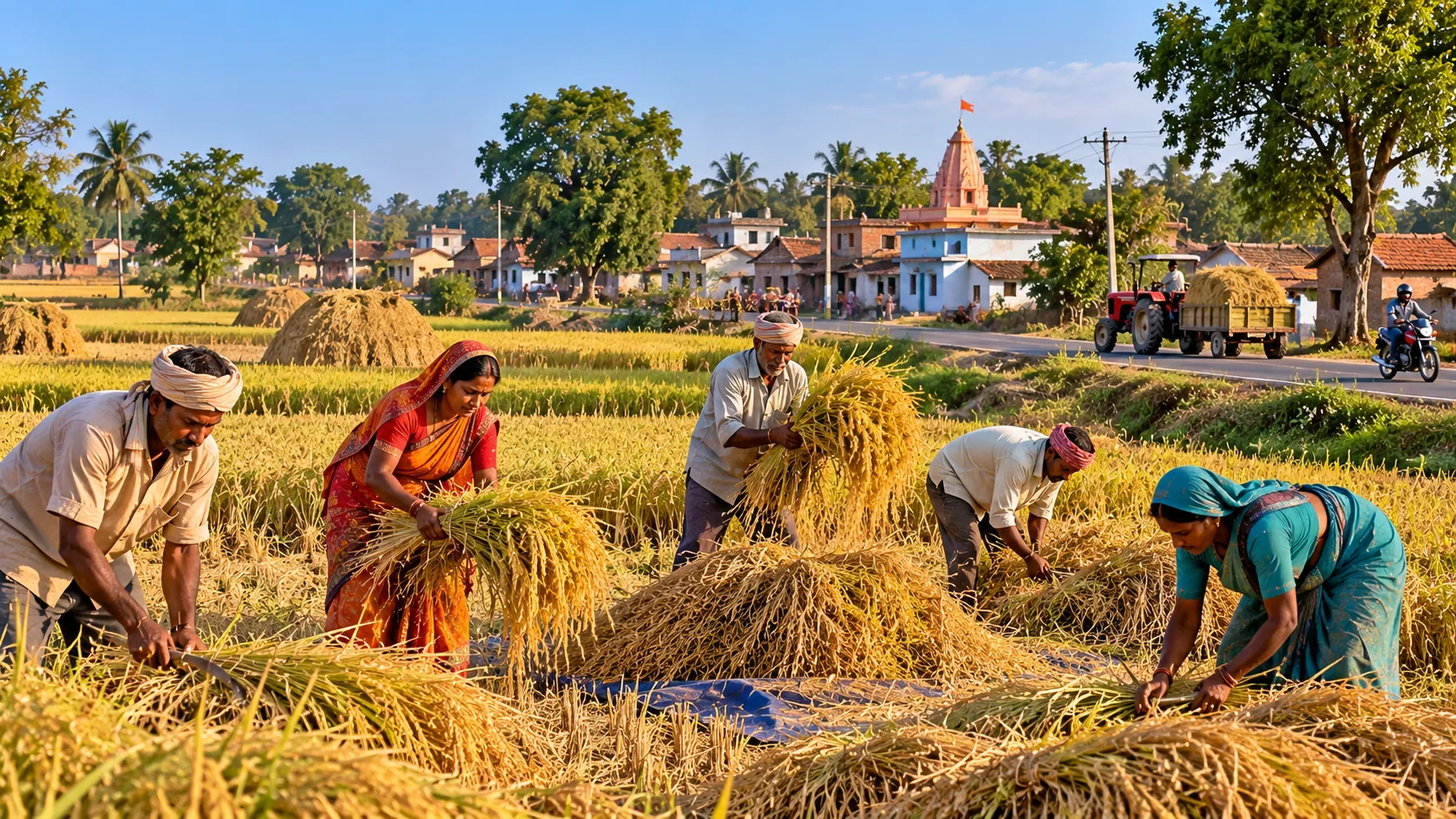
The office will also refresh the sampling frame for 2027-28, using the latest Urban Frame Survey and updates to the rural frame based on the 2011 Census. The new frame is meant to reflect urban growth, areas that have lost their urban character, new urban areas and changes in districts and other administrative units. Sample allocation and stratification have been revised using the experience of the previous two-year period. A three-month transition begins in January 2027.
Labour economist K.R. Shyam Sundar has called the changes half a step, pointing out that many gig workers operate outside digital platforms and may still go uncounted. Another point of caution is that the proposal does not change the standard definitions of the main indicators. It changes who is sampled and what is asked, and so the headline unemployment figure should not be expected to move because of the revision alone.
Policymakers, researchers, academic and research institutions and members of the public can send in their comments to the ministry within the 15 days. The final design will take effect when the 2027-28 samples are drawn from the updated frame.
R
4 min
What did you think?