/
New Zealand's final count leaves a hung parliament, ruling bloc one seat short
Final results released on 27 November give New Zealand's governing coalition 65 of 130 seats, one short of a majority. The Labour-led bloc has 58 and the new Opportunity Party 7. Prime Minister Christopher Luxon says formal talks with Opportunity will now begin.
S
4 min
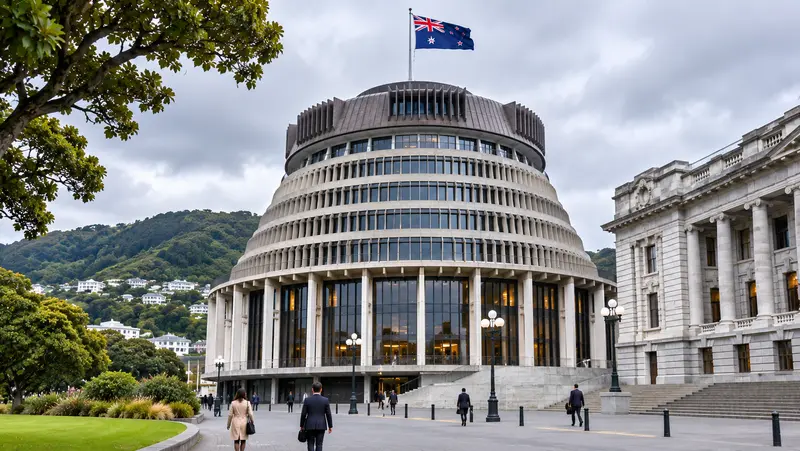
New Zealand's final election results, released on Friday, 27 November 2026, have produced a hung parliament. Prime Minister Christopher Luxon's governing coalition of National, ACT and New Zealand First holds 65 of 130 seats, one short of the 66 needed for a majority. The opposition bloc has 58 and the new Opportunity Party 7. The general election was held on 7 November.
| Party | Seats | Note |
|---|---|---|
| National | 40 | Two fewer than the preliminary count; party vote 28.4% |
| Labour | 36 | Party vote 29.9% |
| ACT New Zealand | 13 | Governing coalition |
| New Zealand First | 12 | Governing coalition |
| Greens | 17 | Implied by the bloc totals |
| Opportunity Party | 7 | Enters parliament for the first time |
| Maori Party | 5 | Opposition bloc |
| Total | 130 | Includes 10 overhang seats |
The usual 120-seat parliament has grown to 130 because of 10 overhang seats. The Green total of 17 follows from the published bloc figure and the other parties' seats.
The governing side, National, ACT and New Zealand First, fell from 67 seats on election night to 65 in the final count. The opposition bloc of Labour, the Greens and the Maori Party rose from 57 to 58. Even with Opportunity's seven seats, the opposition would reach only 65, also one short. That makes Opportunity the pivotal party.
Why the numbers moved
Roughly 400,000 special votes, cast by people overseas or outside their own electorate, were added after election night, and these have tended to favour parties on the left. National's loss of two seats came with the final count. Labour gained the electorates of Wairarapa and Hamilton East from National, though both could face recounts, and lost Wellington Bays to the Greens.
The Opportunity Party, led by Qiulae Wong, wins seats for the first time. Luxon, who remains prime minister in a caretaker capacity, said formal negotiations with the party would begin now that the results were final. He had ruled out working with it during the campaign and softened that stance after the preliminary results. He said talks would take as long as it takes, that he did not want to rush into a deal that could collapse and that various arrangements are possible under the voting system. Wong said her party would seek a stable government and did not rule out another election, and that talks with other parties were still needed.
New Zealand uses mixed-member proportional representation. Voters cast one vote for an electorate member and one for a party, and the party vote largely decides each party's share of seats. A party that wins more electorates than its party vote would justify keeps them, and the parliament expands with overhang seats. This system regularly produces coalitions, so negotiations after an election are normal.
A government needs support from a majority on confidence and supply. It could be a formal coalition, an agreement on confidence and supply with cabinet posts or without them, or a minority government supported vote by vote. If no arrangement can command a majority, a new election becomes possible. No deadline for forming a government has been set.
Why the result matters
The result will decide tax, spending, housing and foreign policy for the next three years. It also shows that a small new party can determine which side governs. Businesses and investors are watching the talks, although the New Zealand dollar moved only slightly after the result.
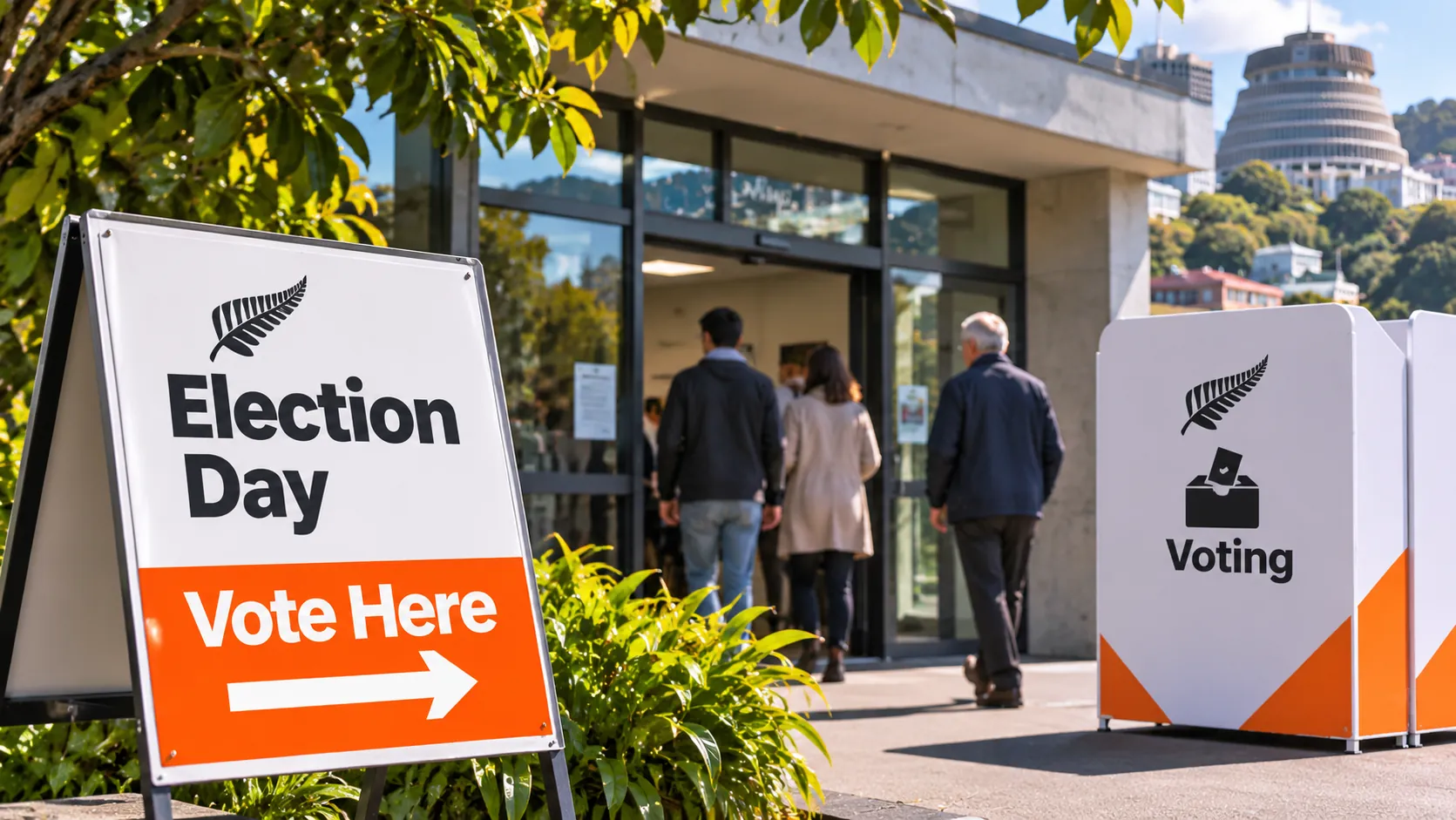
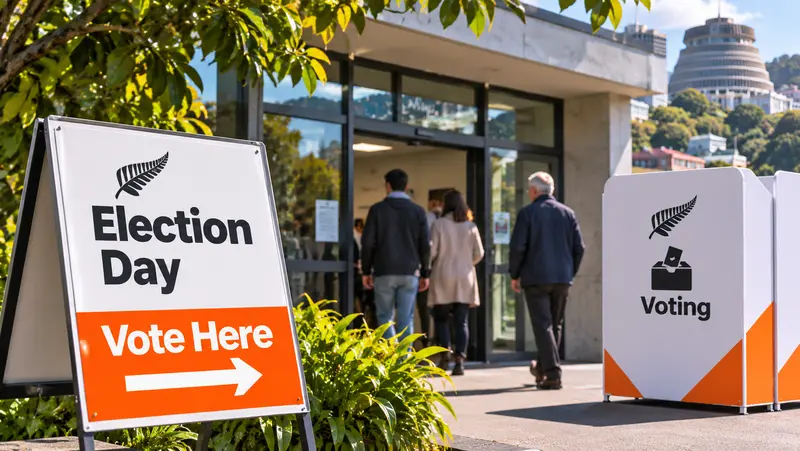
About 3.8 million people were provisionally enrolled, 93.6 per cent of those estimated to be eligible, compared with 94.7 per cent in 2023 and 94.1 per cent in 2020. Enrolment figures measure registration and not how many people voted.
A government with Opportunity's seven seats would have 72 seats on the right, comfortably above the 66 threshold, while the opposition would need more than Opportunity to get there. That arithmetic gives Luxon the more obvious path, although the terms of any agreement are for the parties to decide. The Greens and the Maori Party would remain in the opposition under that outcome.
New Zealand coalition deals typically set out policy priorities, cabinet positions, consultation rules and what happens when partners disagree. A smaller party may seek promises on its main campaign issues in exchange for support. Agreements are published, so voters can see what was traded.
The talks ahead
Luxon will open talks with Opportunity while also keeping his coalition partners involved, and Labour leader Chris Hipkins will explore whether his side can find a path. The Electoral Commission publishes the official results and any recounts. The new parliament will meet once the government arrangements are settled.
New Zealand has often spent weeks forming governments, particularly when a small party holds the balance. Parties usually bargain over policy commitments, ministerial posts and the terms of confidence and supply before announcing an agreement, and publish the documents afterwards. The length of the talks is not by itself a sign of trouble, though a long delay can unsettle markets and the public service.
About the Author
S
Subhash Gupta
Desk Editor
Subhash Gupta is a writer at Wirony, contributing articles that are reviewed and verified by the editorial team before publication. The publication prioritises accuracy, editorial…
S
4 min
What did you think?