/
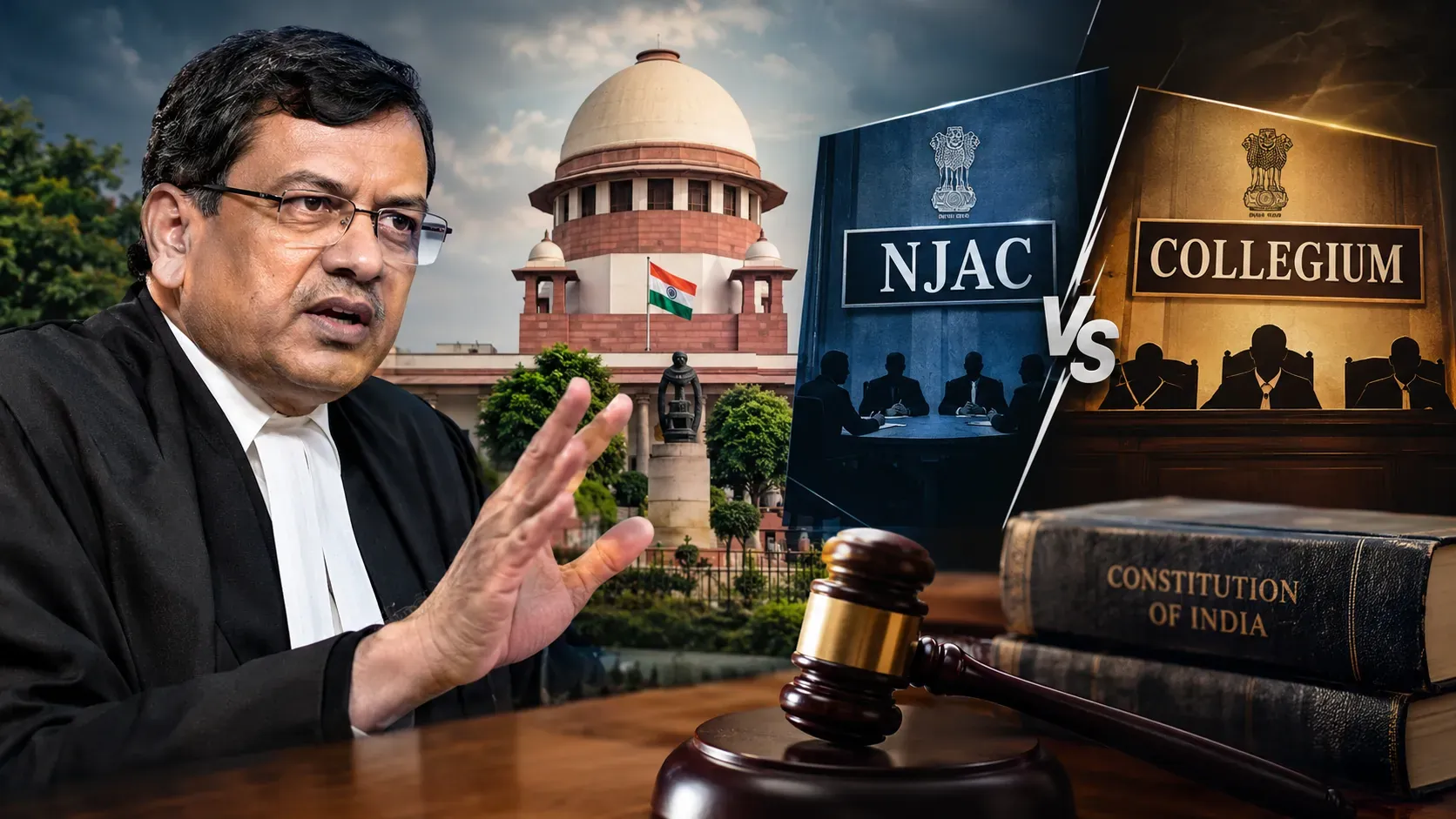
Kaul memoir: Chandrachud 'too deferential', sought government's view before collegium decided
Former Supreme Court judge Sanjay Kishan Kaul says in his forthcoming memoir 'Without Fear or Favour' that then CJI D.Y. Chandrachud floated a sixth name at the last minute and asked whether to phone the government first. Kaul objected to 'pre-approval'. The claims come from excerpts.
S
4 min
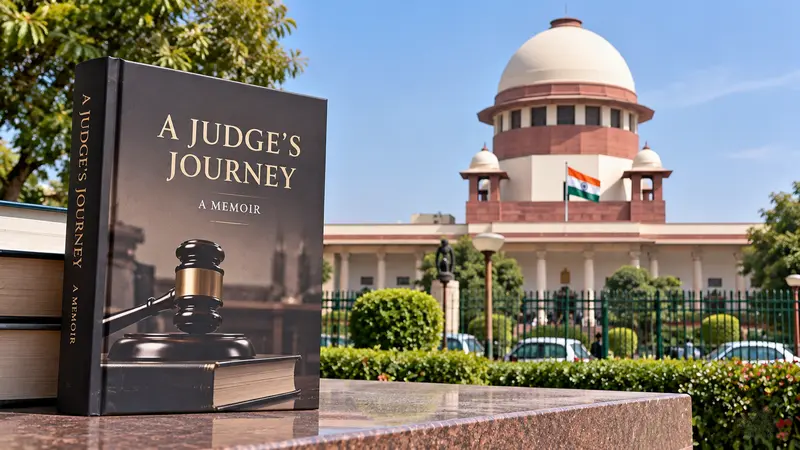
Former Supreme Court judge Sanjay Kishan Kaul has written in his forthcoming memoir that Chandrachud, when he was Chief Justice of India, planned to ask the government about a candidate for judgeship before the Supreme Court collegium had decided on the name. The book is titled 'Without Fear or Favour'. The claims have been reported from excerpts and from an interview that Kaul gave to the journalist Karan Thapar, and the publisher and publication date have not been given in the reports.
The incident Kaul describes
According to Kaul, the collegium had agreed on five names for six vacancies when Chandrachud raised a sixth candidate at the last minute. Kaul says that Chandrachud took him aside to a separate meeting and wondered aloud whether he should telephone the government to ask for its view on the names. Kaul said that this should not be done while the collegium was still deliberating. The other members did not accept the sixth name. Kaul suggests that the Chief Justice may already have obtained the government's approval for the other five.
Kaul says that Chandrachud was troubled that the sixth name was not approved, and that Chandrachud had moved the matter of judges' appointment away from his bench. He also says that Chandrachud advised him to take a 'middle path' in the reconsideration of the judgment on the Prevention of Money Laundering Act.
What Kaul objected to
Kaul draws a line between consultation and pre-approval. He says that he was not against consulting the government on appointments, which is part of the process. His objection was to the timing and manner: asking for the government's nod before the collegium formally deliberates, and discussing the whole list with it in advance, sends the wrong signal about the independence of the judiciary. He warned that the practice could become entrenched, since Chief Justices with short tenures may find it hard to stop it. He added that the practice, as he understands it, has been going on before Chandrachud and after him.
Kaul gives Chandrachud credit on the judicial side of the job. He says that Chandrachud had the intellectual capacity and the work ethic. But he describes him as too deferential to the government in appointment matters, and as having too many discussions with it on administrative issues.
Under the written procedure that governs appointments, the government's part comes after the collegium has made its recommendation. It checks the candidates, including through reports of the Intelligence Bureau, and it may raise objections or ask for reconsideration. That order is the point of Kaul's objection: a conversation with the government before the recommendation is made blurs the line that the procedure draws.
Judges of the Supreme Court and the High Courts are appointed through a system in which the collegium, which is made up of the Chief Justice and the senior-most judges, recommends names and the government processes them. The collegium system grew out of Supreme Court judgments of the 1990s that gave the judiciary primacy in the matter. The government can return a name for reconsideration, and if the collegium repeats the recommendation, it is generally binding on the government, though the timing of the notification has often been a point of friction.
Informal contacts between the Chief Justice and the government are not unusual in any system, but the collegium's own procedure expects its deliberations to be independent. What Kaul describes is a difference of degree: a call before the decision, and not a response afterward.
The Congress party has cited the remarks to question judicial independence under the present government. The reports available do not carry a response from Chandrachud or the Supreme Court, so his account is not yet on record. The claims also come from a book that has not been published, and the wording may change.
The case for the claims is that they come from a participant who sat in the meetings, and that he is on record as having objected at the time. The case for caution is that a memoir is one person's recollection of a private conversation. The matter is likely to come up again when the book is released and when Chandrachud, who has been asked about collegium matters before, is asked to reply.
S
4 min
What did you think?