/
World Bank sees commodity prices up 23% in 2026 as energy jumps 32% and Brent averages $91; relief in 2027
The World Bank forecasts commodity prices to rise 23% in 2026, led by a 32% jump in energy, with Brent averaging $91 a barrel. Metals are up 25% to record highs, fertiliser 14% and food about 10%. Prices are forecast to fall 7% in 2027, but escalation could push them higher.
R
4 min
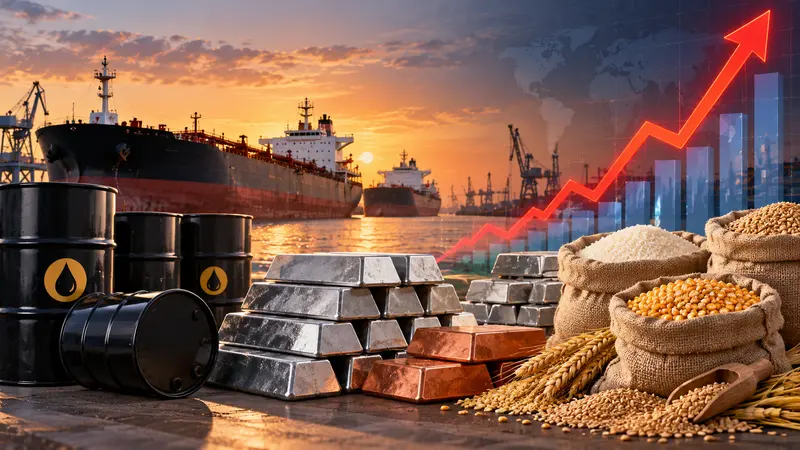
The World Bank said on Wednesday, 28 October, that commodity prices will rise 23 per cent in 2026, driven by a 32 per cent jump in energy prices, and then fall 7 per cent in 2027. The forecast is in its October Commodity Markets Outlook, which blames several shocks at once: the war in the Middle East, disruptions to grain shipments, the threat of El Nino to harvests and strong demand for safe-haven metals. It is a sharp reversal from a year ago, when the bank had forecast a fall in prices for 2026.
The forecasts
| Commodity group | 2026 | 2027 |
|---|---|---|
| All commodities | up 23% | down 7% |
| Energy | up 32% | moderating |
| Metals | up 25% | down 3% |
| Precious metals | up 40% | moderating |
| Food | up about 10% | up 7% |
| Fertiliser | up 14% | back to 2025 levels |
| Brent crude (average) | 91 dollars a barrel | 79 dollars a barrel |
Food prices are forecast to rise by a cumulative 18 per cent over the two years, according to the press release. Brent crude averaged 69 dollars in 2025, and the bank expects 91 dollars in 2026. Energy prices are heading for a four-year high, reversing three years of declines. Metals prices are on track for record highs for aluminium, copper and tin.
Oil
Global oil supply is expected to fall 5.2 per cent in 2026, the largest fall in more than four decades outside the 2020 recession, while consumption is expected to fall 2.5 per cent, the third-largest annual contraction on record after 2020 and 1980. Production remains below consumption, so stocks keep being drawn down, and this leaves the market more exposed to disruption. Electrification, particularly in China, is also reducing the use of oil.
What is driving prices
The bank names the conflict in the Middle East, which has drawn down oil inventories, and disruptions to grain shipments, with El Nino threatening harvests. High fuel and fertiliser prices raise the cost of farming. Demand for metals comes from renewable energy, electric vehicles and data centres, and 2026 saw supply disruptions. Precious metals reflect safe-haven buying amid geopolitical and policy uncertainty.

Ayhan Kose, the bank's deputy chief economist and director of its Prospects Group, said that commodity markets are being hit by several major shocks at once, and that higher energy costs and trade disruptions are driving up prices across a broad range of commodities. He stressed that the priority must be protecting the poorest people.
The baseline assumes that there is no major intensification of the conflicts that affect supplies. Energy prices could rise further if the Middle East conflict escalates or if damage to Russia's oil infrastructure continues. The bank warns that higher energy prices, attacks on Black Sea grain shipments and a very strong El Nino could combine into a food crisis that pushes more people into extreme poverty, as in the early 2010s. In that adverse scenario Brent would average 105 dollars in 2027, and food prices would run 12 per cent above the baseline and above their 2022 level.
A special section of the report looks at how closely commodity prices move together. It finds that links between price swings get stronger in times of economic or market stress, including since the Middle East conflict began, that industrial metals pass on the most volatility to other commodity groups on average, and that oil's influence on volatility has risen markedly since the conflict started.
The World Bank Group has made 50 to 60 billion dollars available through existing instruments, including 25 billion dollars of pre-arranged financing. The money can support social safety nets, raise fiscal capacity and provide working capital for firms and farms, and the bank said that low-income countries with heavy debts are a priority.
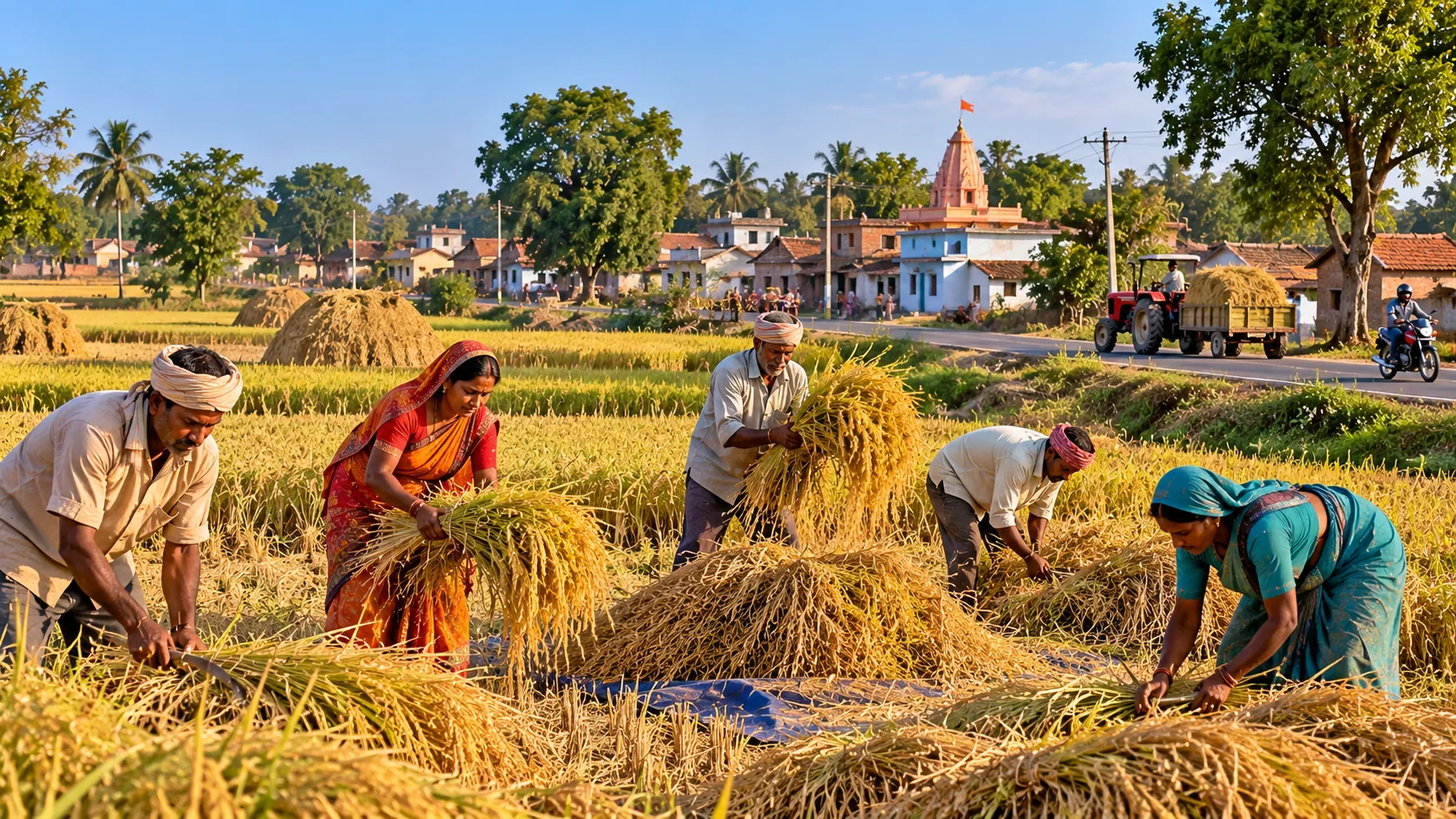
India imports most of its crude oil and a large share of its fertiliser inputs, so the forecast points to continued pressure on the import bill, the rupee and prices. Brent was above 115 dollars on Wednesday and fell to about 110 dollars on Thursday, well above the bank's average for the year. Several states, such as Telangana and Maharashtra, have already declared drought-affected areas because of weak rain linked to El Nino, and a poor harvest would add to food prices. The outlook is a global forecast, and it does not give a separate figure for India.
Sources
R
4 min
What did you think?