/
Iran says two oil tankers hit mines near Oman's Khasab and caught fire
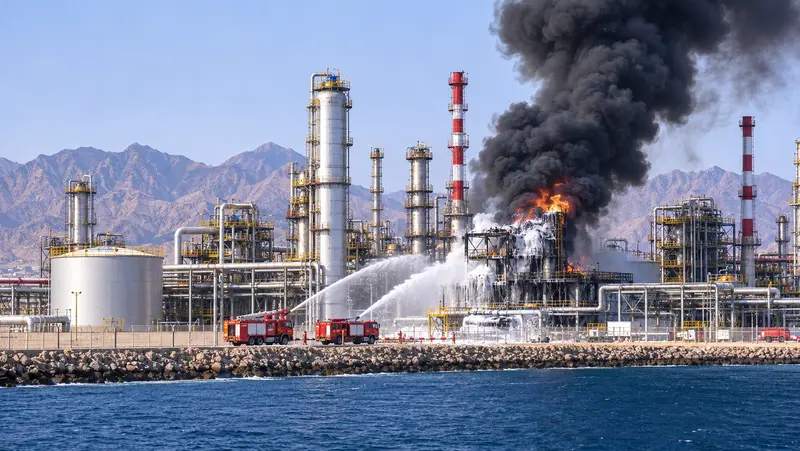
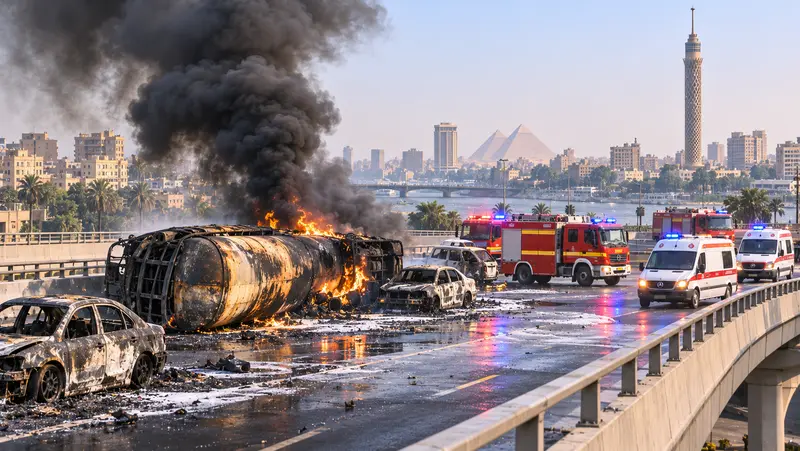
Iran's Revolutionary Guards said on 26 November that two oil tankers struck naval mines and caught fire north of Khasab in the Strait of Hormuz, one carrying over two million barrels of crude. No casualties were reported and there is no independent confirmation of mines.
S
4 min
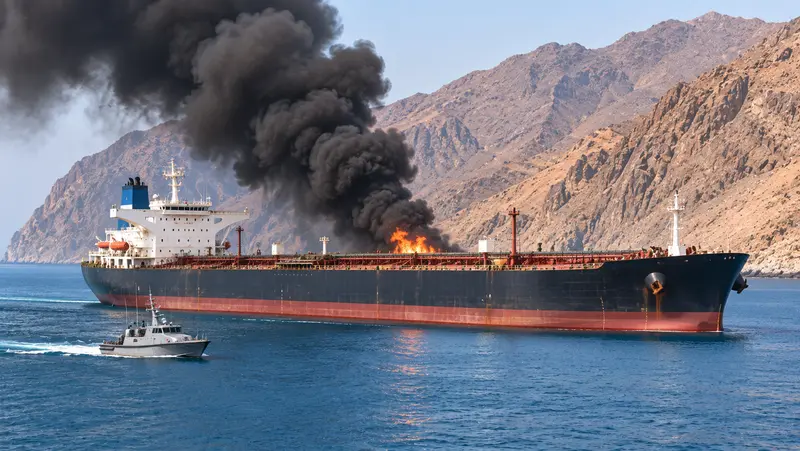
Iran's Revolutionary Guards said on Thursday, 26 November 2026, that two oil tankers hit naval mines and caught fire north of the Omani port of Khasab while crossing the Strait of Hormuz. One was a supertanker carrying more than two million barrels of crude, the Guards said, and it was left burning. No casualties were reported, and no independent source has confirmed that mines struck the ships.
The Guards' navy said the tankers had tried to use an unauthorised route, with unknown identities and their navigation systems switched off, relying on American fighter jets. It gave no names, flags or crew details for the vessels. A spokesman, Hossein Mohebbi, said the force was using heavy firepower to keep the strait closed in order to put pressure on the United States economy, and the Guards' navy commander, Rear Admiral Ali Azmaei, said Iran had full operational control of the waterway. Iran has long said that ships cannot pass safely without coordinating with Tehran, citing mines.
A separate report off Dubai
The United Kingdom Maritime Trade Operations centre reported an explosion caused by an unknown projectile near a tanker about 50 nautical miles west of Dubai on Thursday. That describes a projectile rather than a mine and places the event far from Khasab, and nothing links it to the Guards' claim. Maritime agencies often report fewer incidents than Iran announces and do not always agree with its accounts.
| Question | Position |
|---|---|
| Who made the mine claim | Iran's Revolutionary Guards |
| Location claimed | North of Khasab, Oman |
| Vessels | Two oil tankers, names not given |
| Cargo | More than 2 million barrels on one tanker |
| Casualties | None reported |
| Independent confirmation | None for mines |
The Strait of Hormuz is the narrow channel between Iran and Oman through which oil and gas from Gulf producers reach the open ocean. In normal times a large share of the world's seaborne oil passes through it, including supplies to India. Disruption raises freight and insurance costs and pushes up oil prices, which affects import bills, inflation and currencies in countries that buy Gulf energy.
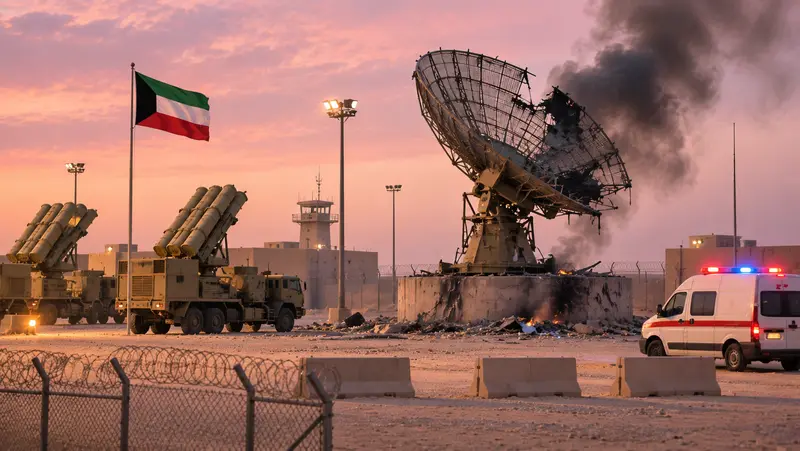
The United States and Israel began a war with Iran on 28 February 2026, and Iran retaliated against Israel and against American military facilities in Arab countries. Washington and Tehran signed a memorandum of understanding in June, but implementation stalled over freedom of navigation through the strait. On 8 July, after an attack on a commercial vessel, American forces struck Iranian territory, President Donald Trump declared the ceasefire over, and Iran hit American facilities in Bahrain, Jordan, Qatar, Kuwait, the United Arab Emirates and Oman. Since October Iran has used new tactics against shipping to stop a recovery in Gulf oil flows that has been supported by the United States Navy.
Tehran ties reopening the strait to an end to hostilities by the United States and Israel, security guarantees and the lifting of American sanctions and restrictions on Iranian ports. The United States has not publicly answered Thursday's claim.
What is not known
The names and owners of the two tankers, their destinations, the condition of their crews, the extent of any damage or spill and whether mines were in fact involved have not been established. Tracking data may show later whether vessels in the area stopped or changed course. Until then the event rests on Iran's statement.
A naval mine can damage a ship without warning and is hard to detect in busy, shallow waters. Clearing mines takes specialist vessels and divers and can take weeks, and even a suspected mine can lead shipping companies to halt voyages until a route is declared safe. That is why a claim about mines, even an unconfirmed one, can affect traffic and insurance rates across the region.
Tehran presents the strait as closed to ships that do not coordinate with it, while the United States and Gulf producers have tried to keep exports moving, including with naval escorts. Each side's statements are also part of a contest over who controls the waterway, which makes independent confirmation important before drawing conclusions.
India buys much of its crude from Gulf producers, and Indian seafarers serve on many tankers in the region. Higher war-risk premiums raise the cost of each cargo, and delays can force refiners to seek other supplies. The Indian government has advised shipping companies and sailors to follow safety guidance while passing through the area.
A week of shipping incidents
The claim follows other reports of tankers being damaged in and around the strait in recent days, including an Iranian statement on mines earlier in the week. Shipowners now weigh the risks of each passage individually, and many wait for naval escort or avoid the area, which slows the flow of cargoes even when no vessel is hit.
Maritime security centres may confirm or correct the account as ships report in. The United Kingdom Maritime Trade Operations centre publishes incident warnings, and the International Maritime Organization tracks the safety of shipping in the strait. Governments with crews on the vessels would be expected to issue statements if any are identified.
About the Author
S
Subhash Gupta
Desk Editor
Subhash Gupta is a writer at Wirony, contributing articles that are reviewed and verified by the editorial team before publication. The publication prioritises accuracy, editorial…
S
4 min
What did you think?