BSE, NSE and banks shut on 2 October as India marks Gandhi Jayanti
India observed Gandhi Jayanti on Friday, 2 October, with BSE and NSE shut across all segments and banks closed nationwide under the RBI holiday calendar. The day marks Mahatma Gandhi’s birth anniversary and is also observed globally as the International Day of Non-Violence.
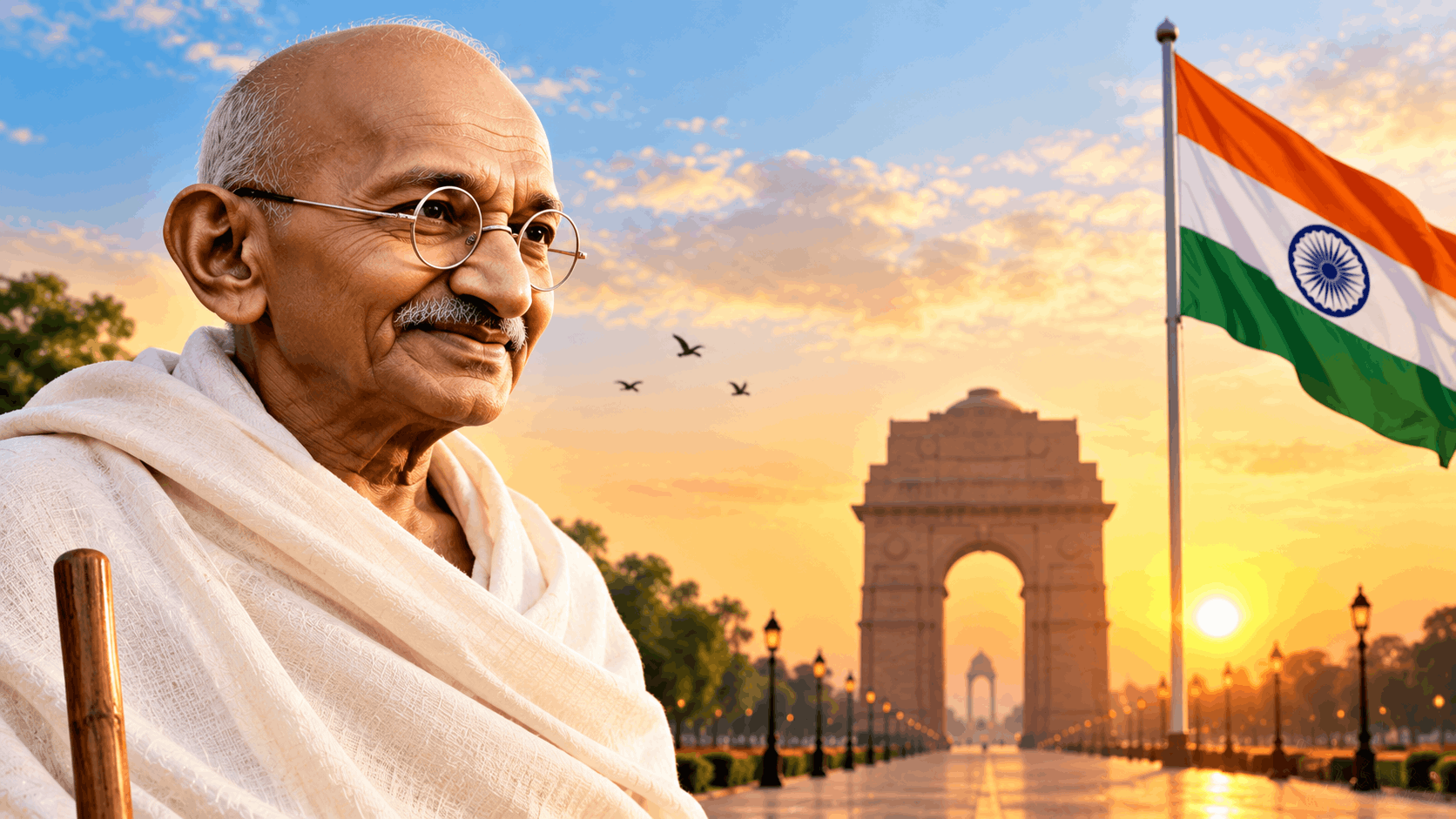
Trading on India’s two major stock exchanges was paused on Friday, 2 October, as the country observed Gandhi Jayanti. The Bombay Stock Exchange (BSE) and National Stock Exchange (NSE) remained closed for the day, with trading suspended across all major segments, including equity, derivatives and securities lending and borrowing (SLB).
Banks across India also remained closed on 2 October as part of the country’s official holiday calendar. The closure affected both public and private sector banks, meaning customers could not access regular branch-based services during the holiday.
Gandhi Jayanti is observed every year on 2 October to commemorate the birth anniversary of Mohandas Karamchand Gandhi, who was born in 1869. The day is a gazetted public holiday across India and is also recognised internationally as the International Day of Non-Violence by the United Nations.
It is one of India’s three national holidays, along with Independence Day on 15 August and Republic Day on 26 January. In several parts of the country, the occasion is accompanied by additional local restrictions, including temporary bans on the sale of alcohol and meat.
Tributes and celebrations across India
In New Delhi, the main commemorations traditionally take place at Raj Ghat, the memorial dedicated to Gandhi. Political leaders, public representatives and citizens gather at the site to offer prayers and pay their respects.
Schools, government institutions and community organisations across the country also hold programmes to mark the occasion. Prayer meetings, patriotic songs and cultural events are common, while many communities organise cleanliness drives and other social-service activities.
Songs such as “Raghupati Raghava Raja Ram” are often included in commemorative programmes, reflecting Gandhi’s association with the principles of peace, truth and non-violence.
The central message of Gandhi Jayanti continues to focus on satya, or truth, and ahimsa, or non-violence. The occasion also is a reminder of Gandhi’s influence on India’s independence movement and his wider impact on civil rights and social movements around the world.
A national holiday with practical effects
The Gandhi Jayanti holiday has a noticeable impact on everyday activities, particularly financial services and government offices.
With bank branches closed, services that normally require an in-person visit, such as cash deposits, cheque-related services and certain account-related requests, generally have to wait until the next working day. Digital banking and online payment services, however, continue to be available according to individual banks and service providers.
The closure of the BSE and NSE also means that investors cannot carry out regular stock-market transactions on the holiday. Trading resumes according to the exchanges’ published holiday calendar.
October is also a month with several festival-related holidays in India, and the exact dates of some closures can differ between states. Gandhi Jayanti, however, is observed nationwide.
Why 2 October is observed
Gandhi Jayanti marks the birth anniversary of Mahatma Gandhi and commemorates his contribution to India’s freedom movement. Gandhi became internationally known for his philosophy of non-violent resistance and his emphasis on truth.
One of the ideas most closely associated with his approach is Satyagraha, a form of resistance based on truth and non-violence. His philosophy also placed emphasis on communal harmony, self-reliance and social equality.
Gandhi’s influence extended well beyond India, and his ideas about non-violent resistance later became an important reference point for civil rights and social justice movements in different parts of the world. This wider influence is reflected in the international observance of 2 October as the International Day of Non-Violence.
While the way Gandhi Jayanti is observed can differ between cities, schools, institutions and communities, the central themes remain largely the same: remembering Gandhi’s life and work, promoting peace and non-violence, and encouraging community participation.
With stock exchanges and banks closed on 2 October, Gandhi Jayanti created a nationwide pause in routine financial and administrative activities. Trading and regular bank-branch operations will resume on their respective next working days according to the applicable holiday schedules.
What did you think?